
Adem Jones || Issue 6 || October 28, 2024
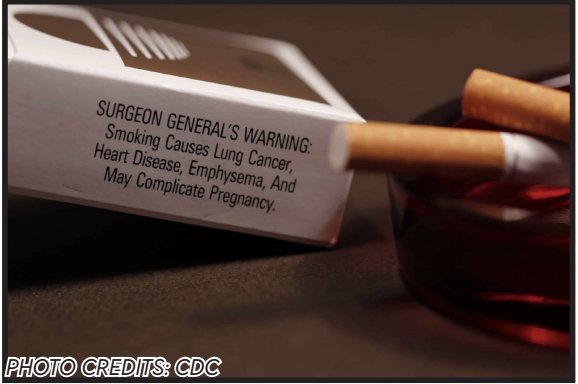
Three of the world’s largest tobacco companies, Philip Morris International, British American Tobacco (BAT), and Japan Tobacco—have reached a tentative settlement of C$32.5 billion (US$23.6 billion) to resolve a massive class-action lawsuit brought by nearly 100,000 Canadians. These individuals, many suffering from severe health conditions linked to smoking, accused the companies of failing to accurately inform them of the deadly risks of tobacco for decades, despite knowing the dangers.
The settlement comes after a nearly decade-long legal battle in Quebec, where the tobacco giants were originally ordered to pay billions in damages in 2015. The lawsuit claimed that the companies failed to properly warn consumers about smoking’s health risks, with some plaintiffs alleging they had developed life-threatening diseases like lung cancer and emphysema due to decades of misleading advertising and lack of clear warnings. Philip Morris, BAT, and Japan Tobacco have agreed to pay the staggering settlement, but are finding themselves in deeper controversy surrounding how they’ll fund it.
“This is an important step toward resolving this matter and focusing on the future,” said Jacek Olczak, CEO of Philip Morris International. What Olczak didn’t mention, and what is fueling this controversy, is that the settlement will be funded through current and future sales of tobacco products in Canada, essentially forcing future smokers to pay for the damage caused by past smoking.
Critics have slammed this arrangement, calling it a slap on the wrist for companies that continued to profit despite the massive health risks associated with their products. Jacob Shelley, a professor at Western University, pointed out that the settlement “missed the chance to incorporate stronger policy terms” that could have curbed or slowed the tobacco industry’s harmful practices.
The plaintiffs now have until December 2024 to accept or reject the deal, which is expected to receive final approval by mid-2025 if accepted.
While the settlement may seem like a victory for the plaintiffs, some say it’s a financial band-aid that allows
the tobacco industry to walk away relatively unscathed, still able to market and sell its deadly products. The tobacco companies appear eager to move on, with Imperial Tobacco Canada stating it supports the framework of the deal, which will be paid out over several years.
The plaintiffs, many of whom are elderly or dealing with severe health issues, had long fought for justice, accusing the companies of knowingly selling products that caused irreversible harm.
“This is about holding them accountable for decades of lies,” one plaintiff said when the settlement was first proposed. However, with the tobacco companies funding the settlement through future sales, some wonder if any real accountability has been achieved—or if this is just another calculated move by an industry that has dodged responsibility for years.
This settlement, one of the largest of its kind in Canadian history, highlights the enormous toll smoking continues to take on public health, and raises the question: Will this be enough to force meaningful change or just another payday for Big Tobacco?

 The Hudsonian