
Adem Jones || Issue 10 || December 3rd, 2024
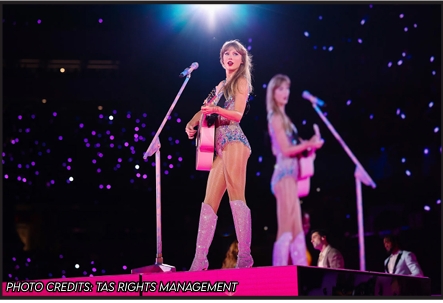
Taylor Swift’s Eras Tour has reshaped the music industry and unprecedentedly boosted the economy. While the music and spectacle are remarkable, the numbers speak louder, with an estimated $2.2 billion in North American ticket sales and a projected $5 billion in consumer spending in the U.S.
alone. These figures position the tour as a defining moment in both entertainment and economic impact. By the time the tour concludes in Vancouver in December 2024, it is expected to break Elton John’s record of $939 million in gross earnings, becoming the highest-grossing tour in history. But the financial impact goes far beyond ticket sales. Local economies have thrived in cities hosting the tour. Illinois Governor J.B. Pritzker credited Swift with breaking Chicago’s hotel revenue record after her three-night stay. California estimated a $320 million GDP boost in Los Angeles from her six sold-out shows. The Federal Reserve even mentioned Swift in its Beige Book, noting her concerts contributed to Philadelphia’s strongest hotel revenue month since the pandemic. These effects rival the economic impact of hosting the Super Bowl, a comparison reinforced by Dan Fleetwood of QuestionPro Re
search: “If Taylor Swift were an economy, she’d be bigger than 50 countries.” Fans, known as Swifties, are spending big. A national study revealed they spend an average of $1,300 per concert, covering tickets, travel, outfits, and merchandise. Local businesses have seen increased spending, from hotels to restaurants to boutiques selling concert attire. In Glendale, Arizona, the opening night of the tour generated more revenue for local businesses than Super Bowl LVII, held in the same stadium. However, some experts question the long-term benefits. Victor Matheson, an economics professor, explained that much of the money goes directly to Swift and her team, not local economies. He argued, “When you spend money on concert tickets and merchandise, that is money that doesn’t
tick in the local economies. It goes home with the artist.” While restaurants and hotels see short-term boosts, this often replaces spending that would have occurred over a longer period. Despite the debate, Swift’s tour has created cultural and economic ripples. From Minneapolis renaming itself “Swiftie-apolis” to New Jersey’s governor declaring a state sandwich in her honor, her influence is unmatched. Internationally, cities like Tokyo, Edinburgh, and Mexico City have experienced similar boosts, with sold-out hotels and increased spending surrounding her performances. Even businesses outside the concert venues have felt the impact. Swift’s mention of “friendship bracelets” in her song “You’re On Your Own, Kid” has sparked a beading craze, with local shops reporting shortages of beads and sequins. Additionally, fans are clamoring for her physical albums, turning vinyl and CDs into collectibles. Job creation has been another no table effect. Each show requires a vast workforce, from stage crews to hospitality staff. The Wall Street Journal reported a 1,000% increase in demand for hourly workers near Swift’s Gillette Stadium shows. Swift’s timing also played a role. Coming after the COVID-19 pandemic, when personal savings hit record highs and the tourism industry struggled, her tour revived spending habits. Fans proved willing to use their pandemic savings on once-in-a-lifetime experiences, proving that there is a broader consumer trend toward valuing shared cultural moments. Ultimately, Swift’s Eras Tour transcends the typical concert experience. It has sparked debates on economic benefits, showcased the power of fandom, and united millions worldwide. As Victor Matheson concluded, “She is generating and providing happiness, and people are willing to pay any amount for that. There is value in that, too.” Whether or not every dollar spent sticks in local economies, the Eras Tour’s legacy is undeniable. Love her or hate her, Taylor Swift isn’t just performing music, she’s making history

 The Hudsonian