
Hamide AK || Issue 15 || March 5, 2025
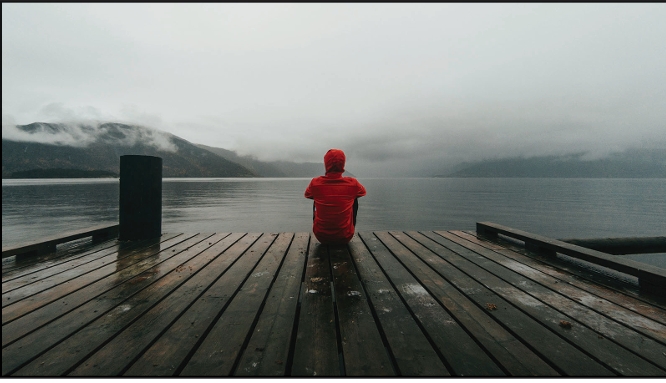
Does an individual choose individualism and loneliness by their own will, or is it life’s circumstances that push them into this situation? Does being an independent individual make one stronger, or does it gradually lead to loneliness? Are solitude and individualism always negative, or can they serve as opportunities for personal growth? Do social structures encourage individualism in a way that ultimately isolates people, or can individualism and social connections coexist in a balanced manner? The answers to these questions undoubtedly vary depending on individuals, living conditions, and geography. However, we can explore the topic from a general perspective. Individualism and loneliness are inherent aspects of human nature and social structures. While some people consciously choose individualism, others experience loneliness as a necessity. Individualism entails making one’s own decisions and developing an independent identity, whereas loneliness is often an emotional state. Some individuals embrace individualism due to their desire for freedom and independence, while others find themselves alone due to social exclusion, the isolating effects of modern life, or the weakening of social bonds. Choosing solitude can be beneficial for personal growth and inner peace, yet in the long run, it may also have negative consequences due to the weakening of social ties. Solitude provides an opportunity for deep reflection, self-discovery, and independence. It allows one to make decisions freely and focus on their dreams and goals without external influences. If solitude is consciously and moderately embraced, it can be advantageous. For example, one may dedicate time to personal development, engage in reading, writing, or pursue artistic and academic endeavors. However, prolonged solitude without meaningful social connections can weaken social skills and lead to feelings of emotional isolation. Given that humans are inherently social beings, complete solitude may eventually result in emotional emptiness, depression, or loss of motivation. But what about being condemned to loneliness? Being forced into solitude—not as a personal choice, but as an unavoidable condition—can be particularly distressing and exhausting. While choosing to be alone at times may bring a sense of peace and freedom, being alone out of necessity creates an entirely different emotional state. It can lead to feelings of being misunderstood, excluded, or forgotten. A profound sense of emptiness may arise, potentially causing sadness, hopelessness, or emotional exhaustion. The weakening of socialites, the absence of someone to share problems or joys with, and the lack of support can have a significant impact on one’s mental well-being. Not having someone to confide in or celebrate with may lead to a loss of life’s meaning and personal motivation. The key is to view solitude not as an escape but as an opportunity for growth. While taking time for oneself and reflecting in solitude can be valuable, it is also essential not to sever ties with those who care about and value us. By maintaining a healthy balance, one can preserve their individuality while also strengthening social relationships. Particularly in Western societies, such as the United States, individualism is culturally encouraged. From an early age, people are raised with the belief that they must be self-reliant. Personal achievement is often prioritized over family ties. However, this can lead to the weakening of social relationships and an increasing sense of loneliness over time. Although technological advancements have strengthened virtual connections, face-to-face communication has diminished, leaving people feeling isolated even in crowded environments. Loneliness has become a serious public health issue in the U.S. Despite living in densely populated cities, people struggle to form deep and meaningful connections. Factors such as the placement of elderly individuals in nursing homes, the decline of familial solidarity, and the widespread adoption of individualistic lifestyles contribute to the growing sense of isolation. Although individualism is seen as a form of freedom in Western societies, the weakening of interpersonal relationships can make loneliness inevitable. Conversely, Eastern societies tend to emphasize strong family and community bonds. In countries like Turkey, social belonging is often prioritized over individualism. Family relationships, solidarity, and kinship ties play a crucial role in people’s lives. However, this cultural emphasis can sometimes result in societal pressures that restrict individual freedom. People may feel compelled to conform to social expectations at the expense of their personal aspirations. Therefore, it is crucial to strike a balance between individualism and social belonging. Creating a space for personal autonomy while maintaining meaningful social bonds is the healthiest approach for mental well-being. Excessive individualism can lead to isolation, while overwhelming social pressure can limit personal freedom. Hence, individuals must find a balance that allows them to feel both independent and socially
secure. Being surrounded by insightful and open-minded people who respect one’s thoughts, emotions, dreams, and ideals is a nourishing and enriching experience. Establishing profound connections with such individuals fosters a sense of being understood and valued while also eliminating loneliness. For instance, an individual passionate about art will thrive in an environment that appreciates creativity, enabling them to express themselves more freely and develop their artistic
potential. Similarly, an idealist striving to contribute to society will feel empowered and motivated when surrounded by like-minded individuals. These meaningful relationships encourage growth and
prevent isolation, allowing people to build connections that provide both support and inspiration. Loneliness can sometimes be difficult and melancholic but remaining in a harmful environment can be even worse. A bad friend can erode trust, lead to poor choices, and negatively impact one’s character over time. In contrast, solitude can provide an opportunity for self-reflection, peace, and the patience to wait for the right people. Therefore, rather than settling for harmful relationships just to avoid being alone, it is often wiser to embrace solitude while seeking meaningful connections. As a well-known saying beautifully captures: “Loneliness is better than a bad friend, but a good friend is better than loneliness.”

 The Hudsonian