
Isabelle Holt || Editor-in-Chief || Issue 17
The National Labor Relations Board (NLRB), the federal agency responsible for enforcing labor law and overseeing union elections in the private sector, is entering a significant new phase of leadership. At the center of this shift is James Murphy, a longtime agency insider who has now risen to serve as chair.
Murphy’s appointment follows his confirmation to the board in December 2025 as part of a broader wave of nominees advanced by President Donald Trump. He was officially sworn in on January 7, 2026, helping restore the board’s quorum after nearly a year in which it lacked enough members to fully function.
With more than four decades of experience at the NLRB, Murphy brings deep institutional knowledge to the role. He began his career at the agency in 1974 and has served in multiple legal and advisory positions, including as chief counsel to former chairman Marvin Kaplan. His long tenure has made him a familiar figure within labor law circles, though his elevation also signals a broader ideological shift in how the board may operate moving forward.
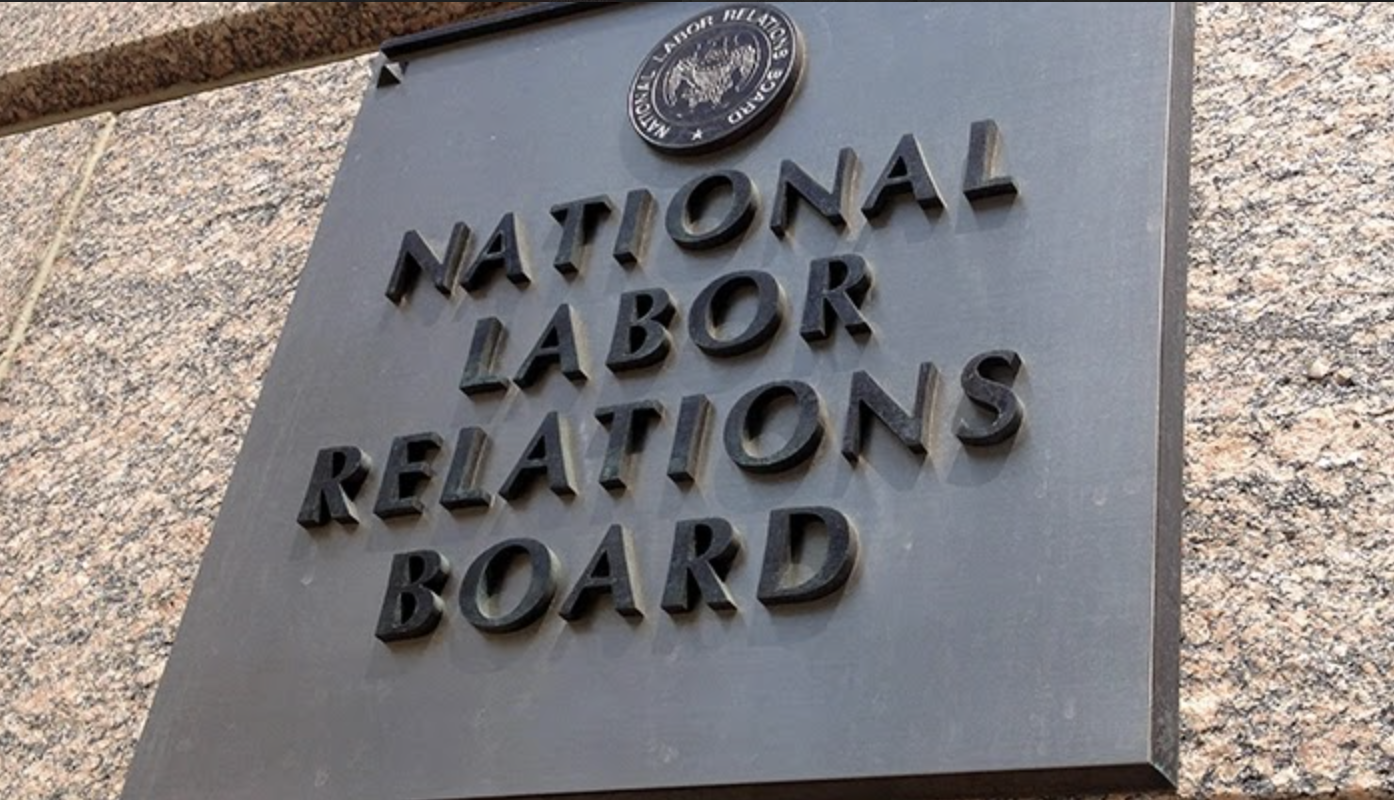
The NLRB plays a critical role in American workplaces. Established in 1935, the agency enforces the National Labor Relations Act, protects workers’ rights to organize, and adjudicates disputes between employers and unions. When the board lacks a quorum, it cannot issue decisions, leaving cases unresolved and slowing enforcement of labor protections. That was the reality for much of 2025, when internal and political conflicts left the agency effectively stalled.
Murphy’s leadership comes as the board regains full operational capacity, and as its political balance shifts. His confirmation, alongside fellow Republican appointee Scott Mayer, established a Republican majority on the five member panel. This change is expected to influence the direction of federal labor policy, particularly after several years of more union friendly rulings under the previous administration.
Early signs of that shift are already emerging. With a new majority in place, the board has begun reconsidering policies related to employer liability, union organizing rules, and workplace standards. Supporters of the changes argue they will provide clarity and reduce regulatory burdens for businesses, while critics warn they could weaken protections for workers and unions.
Murphy now steps into the chairmanship at a moment when the NLRB faces both opportunity and scrutiny. The agency is not only working through a backlog of cases but also navigating broader legal and political debates over its authority and independence. Questions about presidential power over independent agencies, and the limits of that authority, continue to shape the environment in which the board operates.
As chair, Murphy’s role will be both administrative and symbolic. While the position does not carry sweeping unilateral power, it does influence the board’s agenda, priorities, and tone. With the NLRB once again able to act, his leadership will help determine how federal labor law is interpreted and enforced in the years ahead.
For workers, employers, and unions alike, the implications are significant. The decisions made under Murphy’s tenure could reshape organizing efforts, workplace rules, and the balance of power between labor and management across the country.

 The Hudsonian