When you think of Mario, who is basically the mascot of the gaming world, his countless platformer adventures likely come to mind. Those have relatively simple stories. However, in 2024, Mario is just as much of a story-driven RPG powerhouse as he is a platformer powerhouse. The most recent of these RPGs is Mario & Luigi: Brothership, a grand revival of a handheld-exclusive RPG series that was thought to be dead for many years due to the bankruptcy of the studio that made it, AlphaDream.
Mario & Luigi: Brothership is an absolute masterful return of the series, bringing a fountain of charm that was admittedly missing from more recent entries in the series such as Paper Jam.
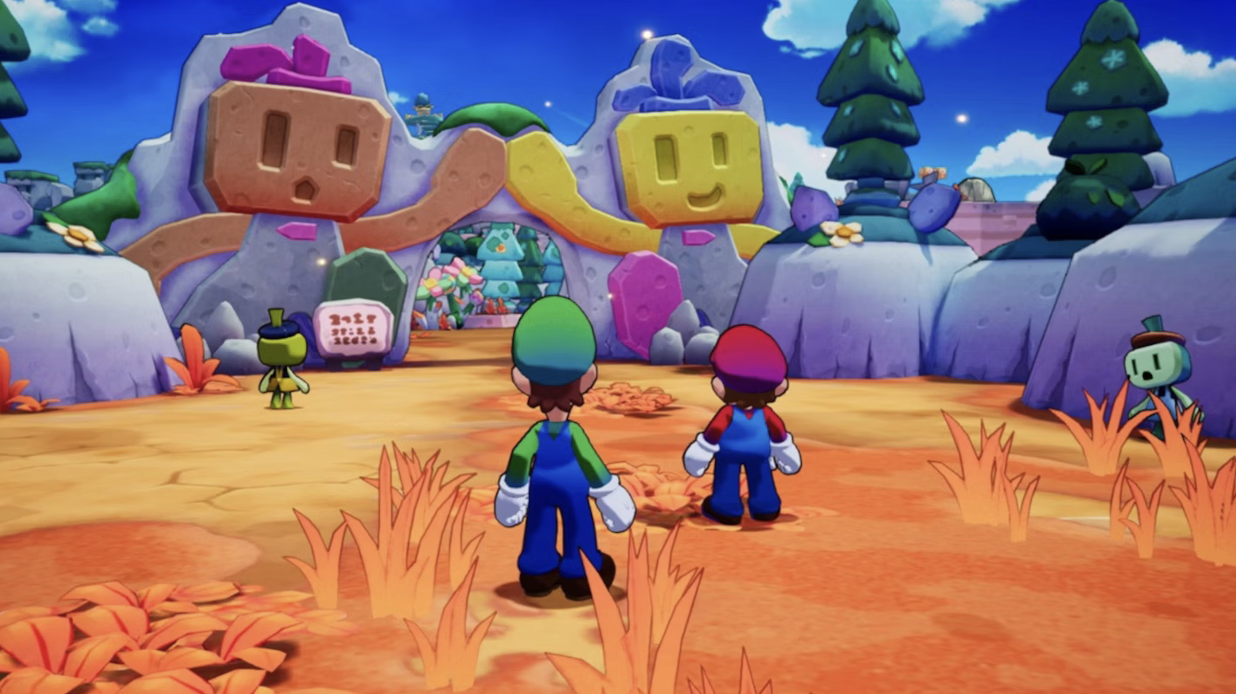
You aren’t going into this game to see familiar toads and goombas, no, you are going into this game to see entirely new species full of energy and cartoony slapstick charm. The story is just as entertaining as it is touching, with its theme of the importance of connecting with others (humorously outlined via the visual theming of electrical cords and outlets all over the place, even in the new characters introduced.)
On top of a delightfully heartwarming story, this game brings back the series’ classic gameplay in full force, allowing you to play both Mario and Luigi in a twist that remains just as enjoyable as it was 20 years ago. The simple concept of using the A button to control Mario and the B button to control Luigi makes way for delightfully clever gameplay that never gets old in the game’s meaty 30 hour runtime.
As if fantastic story and gameplay weren’t enough, the game also boasts a brilliant art style that feels like you are playing through a cartoon in real time. Each character is bouncy, lively and full of cartoonish expression. One of my favorite gags is that every time you plummet to an island out at sea (by launching yourself out of a cartoonishly large cannon, no less), Mario will land gracefully, striking a heroic pose, while Luigi will hilariously fail, leading to a plethora of laugh-out-loud slapstick moments that only a character like Luigi could pull off.
If you’re looking for a large, expansive experience with both familiar characters and new faces, alongside an absolutely stunning art style and gameplay that you just won’t want to put down, Mario & Luigi: Brothership is for you.
Christian Rasmussen || Issue 8 || November 12, 2024
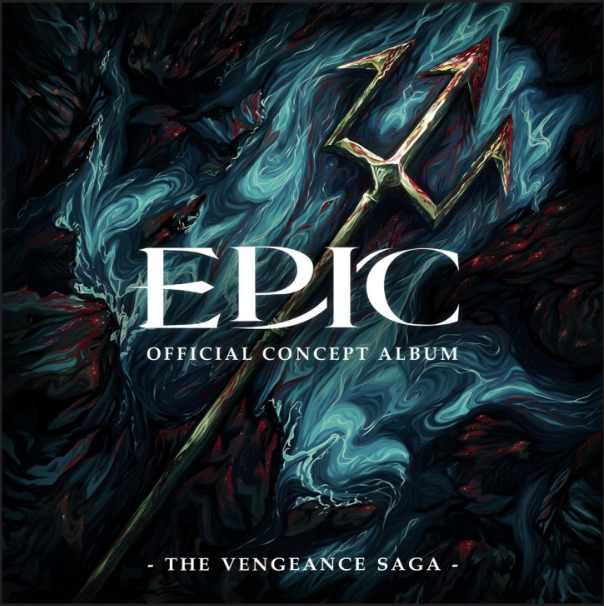
EPIC: The Musical has been slamming the iTunes charts for every released album, skyrocketing to the Number 1 played album on iTunes within a week of release. EPIC: The Vengeance Saga, is no different. The Vengeance Saga is the eighth album of the nine-album concept musical based on Homer’s The Odyssey.
EPIC: The Musical, is a concept album that released its first album on December 25, 2022, by now-renowned artist: Jorge Rivera-Herrans. EPIC is based on the Greek Mythological Tale of the Odyssey, where Odysseus, the King of Ithaca, sails back home after the Siege of Troy (popularly known for the Trojan Horse plot). On his way home, he encounters monsters, storms, and even the wrath of Gods, most commonly, Poseidon, the God of the Ocean.
The Vengeance Saga, released on October 31, 2024, takes place where the Greek Mythology tale places Odysseus on the island of the Goddess Calypso, who imprisons and abuses Odysseus for seven long years.
Odysseus is then released from this island after Zeus’ judgment is decreed. The peak of this album is when he is on the shores of Ithaca, within eyesight of his home that he longed for 20 years when suddenly, Poseidon blocks his path.
Poseidon is unhappy and ultimately condemns Odysseus to death. But, using a bag containing a mighty storm, Odysseus jetpacks off the ocean floor Poseidon pinned him to and begins to fight the God of the Ocean. Using the anger of Odysseus’ 600 dead comrades and the rage that Poseidon induced into him for 10 years, he immobilizes the God of Tides by flying at the speed of sound and striking him incessantly, disarming him of his almighty trident.
Odysseus calls for Poseidon to remove the storm that now blocks him from returning to Ithaca. When Poseidon refuses, Odysseus uses his trident to stab him repeatedly, and since Gods cannot die, Poseidon only feels the unending pain from each strike.
The album ends with Poseidon calling off the storm and taunting Odysseus as he returns home.
The music in this album is jaw-dropping and intense, as Jorge can depict a literal fight between man and God through musical motifs and harmonies.
My favorite part of the album is the usage of Poseidon’s screams harmonizing with Odysseus’ rage-filled rant about how much pain Poseidon has caused him.
Overall, especially if you’re into theater or Greek Mythology, I’d 100% recommend this album, as it’s been playing on repeat for me for the last week.
The popularity of true crime media is undeniable, with fans diving into documentaries, podcasts, and articles about real-life cases. True crime gives us insight into criminal psychology, police work, and sometimes even social justice issues. However, the ethics behind turning tragedies into entertainment is a debate that grows louder each year.
As a fan of true crime myself, I get the appeal. These stories are compelling, and there’s a strange comfort in feeling like we’re learning how to avoid danger or understand the minds of criminals, mostly the latter for me. True crime often sheds light on injustices that might otherwise go ignored. Some stories help reopen cases, bring attention to neglected victims, and remind viewers and listeners of the importance of safety and justice. Shows like Making a Murderer and podcasts like Serial have even impacted real court cases, sometimes leading to retrials or new investigations. In these cases, true crime can serve a purpose beyond just entertainment.
But it’s hard to ignore the ethical concerns. Critics argue that true crime media often capitalizes on real people’s suffering and loss. Victims and their families may relive painful memories when their loved ones’ deaths are discussed in great detail on TV or podcasts. Some critics worry that creators prioritize shocking content over sensitivity, turning real trauma into a spectacle. Families sometimes report feeling like their loved one has been reduced to an episode, losing the humanity of their story.
The ethics also get murky when creators prioritize entertainment over accuracy. Details are sometimes exaggerated or dramatized for dramatic effect, potentially skewing public perception and creating misunderstandings about the criminal justice system. There’s also a risk of misinformation spreading as viewers accept a polished documentary as fact without questioning what’s been omitted or changed.
However, some creators are addressing these concerns by striving for a more ethical approach.
Podcasts like LA Not So Confidential aim to keep true crime respectful and educational by focusing on psychology and societal impacts rather than just the “shocking” elements of cases. Other creators are working with the families of victims, donating proceeds to charities, or using their platforms to raise awareness for causes linked to their stories. These efforts show it’s possible to present true crime in a way that honors victims rather than exploiting them.
Ultimately, true crime has both risks and benefits. It can educate and expose truths, but it also walks a fine line between storytelling and exploitation. As fans, we can be more thoughtful about the content we support, choosing shows and podcasts that approach stories responsibly and considerately. By supporting ethical creators, fans can enjoy true crime responsibly and ensure that real lives aren’t reduced to mere entertainment.
In the ever-evolving landscape of pop culture, few names resonate as loudly as Addison Rae. Best known for her infectious energy and viral dance videos on TikTok, Rae has captured the hearts of millions and transcended the confines of social media to embark on a new journey: pop music. As she steps into the spotlight as a musician, it’s essential to reflect on the whirlwind of her rise and the emotional depth she brings to this new chapter.
Addison Rae Easterling first emerged as a digital sensation in 2019,thanks to her charismatic TikTok performances that quickly garnered her a massive following. With her charm, stunning looks, and undeniable talent, she became a household name, racking up billions of views on her videos. However, the internet can be a double-edged sword, and amidst the fame, there lies a pressure that few can understand. Rae’s transition from social media star to pop artist isn’t just a career move; it’s an exploration of her identity, creativity, and desire to be seen beyond the 15-second clips that initially made her famous.
Her debut single, “Obsessed,” released in March 2021, marked a significant turning point. The song’s upbeat tempo and catchy chorus showcased Rae’s vocal potential, but it also told a story of vulnerability and self-empowerment.
Critics were quick to weigh in on her transition. Some praised her for courageously venturing into a new realm, while others questioned the authenticity of her musical talent. But what stands out is Rae’s determination to craft a genuine sound that reflects her experiences and aspirations. In an age where many celebrities rely on industry connections or established songwriters, Rae has taken the reins of her musical journey, co-writing songs that feel personal and relatable.
It’s an act of bravery that showcases her willingness to be vulnerable and share her truth with the world.
Addison Rae’s debut EP, AR, released in 2023, showcases her diverse musical style, featuring catchy melodies and personal lyrics that resonate with her generation. One standout collaboration on the EP is with Charli XCX, an established pop icon known for her innovative sound. Their track “2 die 4” perfectly blends Rae’s youthful energy with Charli’s edgy hyperpop sensibilities.
Rae and XCX collaborated again for Charli XCX’s smash album, “Brat.” The album took social media and the summer by storm and listeners praised Addison Rae for her catchy contributions to the remix of “Von Dutch” with hyperpop legend A.G. Cook.
In August of 2024, Rae cemented herself as a force to be reckoned with in the pop music landscape with her single, “Diet Pepsi.” The song has garnered over 140 million streams on Spotify and is her best-performing song so far. The production is vibrant and infectious, showcasing Rae’s growth as an artist while appealing to her dedicated fan base. Some fans have compared the sound of “Diet Pepsi” to that of Lana Del Rey, noting the carefree Americana aesthetic, similar to Lana’s aesthetic in the “Born To Die” era.
Addison’s most recent release “Aquamarine” explores themes of self-love, exploration, and the beauty of fleeting moments, with Rae’s smooth vocals painting vivid imagery that resonates with her audience.
The music video further enhances the song’s themes, featuring stunning visuals and fluid choreography that evoke a dreamy atmosphere as she poses and vogues, smoking cigarettes through the dimly lit back alleys of Paris. The video emphasized the emotional and reflective nature of the lyrics. Overall, “Aquamarine” solidifies Addison Rae’s place in the music industry as an artist who can blend fun with heartfelt storytelling.
As we look to the future, it’s clear that Addison Rae’s foray into pop music is just the beginning. With each new release, she challenges herself to grow, both as an artist and as an individual. The path ahead may be challenging, but if her journey thus far is any indication, Rae is going to leave an undeniable mark on the music world. Her evolution is a testament to the power of authenticity, reminding us that it’s not just about the destination but the journey we take along the way. In the end, Addison Rae is more than a TikTok star. She’s an artist with a story to tell and we’re all eager to hear it.
The movie documentary, The Founder, tells the story of Ray Kroc, a salesman struggling to be successful in business. That is until he meets the McDonald brothers, Mac and Dick. Drawn to the brothers’ business model of fast food, he is given a tour of their restaurant and told all the details of how they put it all together. Ray’s mind starts shifting gears and he sees an opportunity to take them and their company to the next level. Hungry to make something of himself, Ray doesn’t just take a bite out of their burger, he takes measures to own the entire business.
This film reveals so much about human nature. Selfishness, greed, lust, desire, power and corruption. The slyness of evil.
Ray Kroc started out what seemed to be an ambitious man. But the emptiness of his unfulfilled desires led him down a selfish path as he sought to fulfill them at any cost. While he may have fallen prey to greed in the beginning, he was very aware of all his actions and decisions that came as his power and influence grew.
This man knew exactly what he was doing. Aside from being humiliated and disregarded, he is not a victim of evil. As soon as he got the power he desired, he abused it.
He divorced his wife because he lusted after another man’s wife. Knowingly giving his ex-wife, the house and the car, but nothing to own in the company. She did nothing but support him in his endeavors. All she wanted was some time spent with her husband, quality love and he repaid her with a divorce. In my eyes, she’s free. Free of a man that did not respect or value their marriage.
He disrespected the McDonald brothers by making deals without their consent out of selfish ambitions.
Creating more franchises, getting rid of real milk and using a powdered substance for milkshakes. Going into real estate to buy the land so he could have more power over them and be ‘free’ from his contract. Stealing their idea of the golden arches for his own business logo. Even taking their last name. He was blatantly disobedient towards them and didn’t care because he was so focused on acquiring more and more. Recognition, respect, riches. His ego was steadily increasing, and this man became full of greed.
The nature of greed is to want more than what you need. Greed whispers “what I have is not enough” even if you have enough, or more than enough. It’s easy to become greedy when you are ungrateful.
Truth be told, he had no moral reason to divorce his wife, and he didn’t have to betray Dick and Mac to succeed. His choices following his gains expose the dark side of his human nature. Yes, he was ambitious, but he was also desperate, ungrateful and corrupt. Yes, he was successful, but at the expense of stepping on others. The measures Ray took may not look evil because nobody was abused or murdered, but that doesn’t negate the actions and choices he made that were clearly immoral.
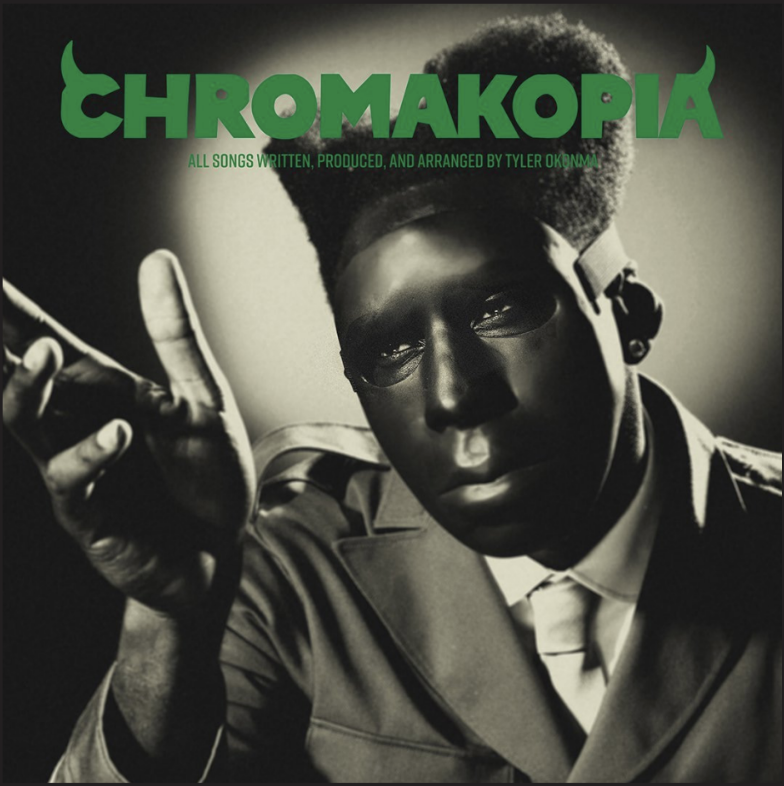
In the realm of hip-hop, few artists can seamlessly blend vulnerability with bravado quite like Tyler, the Creator. With his latest album, Chromakopia, Tyler not only showcases his artistic evolution but also dives deep into the complexities of identity and fame. The journey begins with the music video for “Sorry Not Sorry,” a B-side from Call Me If You Get Lost. Tyler invites us into a theatrical experience, gathering an eclectic cast of friends, family, and former lovers in a cinematic setting. As a soldier leads them to their seats, we are introduced to the transformative character of St. Chroma, which is a representation of Tyler’s inner struggles.
The narrative unfolds dramatically, with Tyler enclosed in glass, where he engages in the act of shedding his past. This culminates in the pivotal moment when he removes the pastel ushanka of Sir Baudelaire, symbolizing the release of old personas that no longer define him. Front and center, Tyler’s mother, Bonita Smith, opens the album with a powerful statement: “You are the light. It’s not on you, it’s in you.” This sentiment reverberates throughout the project, framing Tyler’s introspective exploration of legacy and self.
Musically, Chromakopia is an ambitious endeavor that captures Tyler’s duality. The album opens with “St. Chroma,” which bursts forth with a melodic flute that resembles a battle cry.
Accompanied by driving rhythms, Tyler’s whisper-rap urges listeners to lean in, as he says, “I have something important to share.”
Daniel Caesar’s ethereal vocals bring more life to the track, prompting us to question, “Can you feel that fire?”
The atmosphere shifts, drawing us deeper into Tyler’s psyche.
In tracks like “Noid,” Tyler navigates the depths of his mind, confronting fears that lurk beneath the surface. He reflects on the pressures of fame, revealing feelings of being constantly observed by fans and critics. At 33, Tyler grapples with the reality that while many of his friends are starting families, he is haunted by anxieties about potential break-ins from obsessed admirers. The eerie electric guitars sampled from Zamrock legends Ngozi Family create a chilling mood that resonates throughout the song. It echoes the haunting Swahili warning from Get Out: “Listen to your ancestors. Something bad is coming. Run.”
A consistent voice throughout the album, Tyler’s mother, serves as his moral compass. In the heartfelt track “Like Him,” he questions whether he will follow in the footsteps of his estranged father. Bonita complicates this narrative by sharing, “He’s always wanted to be a father to you… He’s a good guy,” prompting Tyler to reflect on his long-held criticisms of his father’s absence. Coupled with the anxiety of a pregnancy scare in “Hey Jane,” it becomes clear why Tyler is so preoccupied with fatherhood. In “Take Your Mask Off,” he confronts his fears, confessing, “Boy, you selfish as f***, that’s really why you scared of bein’ a parent.” This really highlights the humbling experience of recognizing flaws within one’s self.
Unlike the flashy lifestyle depicted in Call Me If You Get Lost, Chromakopia redefines Blackness as a cultural status symbol.
Tyler weaves themes of white supremacy into his narrative with subtlety and skill. In the track “I Killed You,” he begins with a playful interpolation of “Wheels on the Bus,” but quickly pivots to critique Western beauty standards.
With vibrant percussion reminiscent of a New Orleans parade, he challenges Black listeners to embrace their uniqueness,
boldly proclaiming, “You the room, baby, they the motherf-ing elephant.”
Tyler’s collaborations with several Black women further amplify the joy of music-making as a Black artist in hip-hop. In “Sticky,” featuring GloRilla, Sexyy Red, and Lil Wayne, he confidently says, “Give a f*** ’bout pronouns, I’m that n**** and that b****,” all delivered over an irresistibly catchy beat. The energy of this track is high and exciting, with a hook that’s sure to stick around in the listener’s heads long after the song ends. Tyler’s ability to shine through whimsical beats, as seen in tracks like “Balloon” and “Thought I Was Dead,” reinforces his prowess as a rapper.
For all the introspection that comes with navigating his thirties, it’s the confident tracks like “Thought I Was Dead,” “Rah Tah Tah,” “NOID,” and “Sticky” that resonate the most. Tyler’s disdain and ultimately rejection of his former self hits hard as he raps, “That version of Tyler that you knew was a memory,” anticipating critiques with a dismissive, “Who is that? You n***** get too attached to hear the theory.” Not long ago, his controversial lyrics incited fear and controversy in listeners and in the media, but he has emerged as a more approachable figure without sacrificing the sharp wit that defines him as an artist and a lyricist. Not many artists have his infectious confidence, which he is able to use as a tool for creating discussions rather than flat-out cockiness.
Ultimately, Chromakopia stands as a testament to Tyler’s growth and it is a powerful exploration of identity, vulnerability, and the struggles that come with fame. He emerges as an artist who isn’t afraid to confront his past while celebrating his present, making light of some of the darker portions of his journey. This album is so much more than a collection of songs, it’s a journey through Tyler’s mind, a picture painted using his experiences, fears, and triumphs. As he navigates insecurities and revels in successes, Tyler, the Creator remains a force that captivates, challenges, and inspires.
You get on a train from the train station and see all these empty seats until you are called by a blue cat who introduces himself as Rover. Next thing you know you’re thrown into an adventure that’s not too big and not too small. Just taking care of a small island and making new friendships. What is this you ask? Well it’s an animal crossing game!! For those unfamiliar city folk was the first animal crossing game to come out on the GameCube. In almost every single game not including spin offs or pocket camp you are the island representative and it’s not exactly a goal but more of a note in mind if you’d like to nurture your town back to its former glory.
The new installment New Horizons which came out in 2020 has taken into account only some aspects that the old games have incorporated though and even if they have
expanded on them, like crafting, diys, nook miles, cooking and even new ways to decorate houses like in the dlc happy home designer which is now happy home paradise the old games have just some level of charm to them that seems to be just missing.
From the back stories of each npc to the slow burn friendships you make with each villager instead of them being a little too friendly in new horizons.
One old feature I’d like to take into account in this article though is the center tree in New leaf. There’s a small ceremony where you plant your own tree and after it grows you can then sit at it.
Doing so initiates a cutscene with slow and memorable music and lists the dates of each achievement that passes throughout your time in your little town. It’s something that’ll never leave my mind to this very day and I so wish that was the case for new horizons but just keep in mind that it’s not a completely bad game because of it. The thing is New Horizons was promised to be updated for at least three years but stopped and decided to go the dlc route.
Though the wait for dlc from New leaf was even longer there was still stuff to do within the game, such as tortimer’s multiplayer Island. I just hope that the next installment takes into account the things that have made animal crossing… Well, animal crossing!!
Off The Grid is a new cyberpunk third-person battle royale game co-created by Neill Blomkamp, known for his work on the movies District 9 and Elysium. The game takes place in a dystopian world where 60 players (150 players by full release) compete in PvE or PvP modes. The world is ruled by corporations where participants fight over valuable cyber augmentations.
A part I found particularly interesting was the short films directed by Blomkamp, which added very interesting depth to the game’s lore.
The game combines elements of battle royale and extraction shooter formats, with unique mechanics like jetpacks and cyberlimbs that can be swapped at will during a round. Players can engage in both PvP skirmishes and PvE storyline missions on the same map. The game is visually impressive, however, it does have some issues with optimization.
The most surprising aspect of this game is that it includes optional NFTs.
Players can gain in-game “loot boxes” called Hexs that need to be taken to a node and submitted. The node will then verify that the Hex is genuine and assign a unique virtual signature to every item contained within, thus minting them as legitimate NFTs. or a new crypto token called GUN. However you need to subscribe to “Off the Grid+” to use it in the player marketplace, which also has a lot of pay-to-win features.
This game is currently in Alpha on PC, PS5, and Xbox Series X. In the future, Off the Grid is expected to receive more updates with additional maps, multiplayer modes, and customization options.
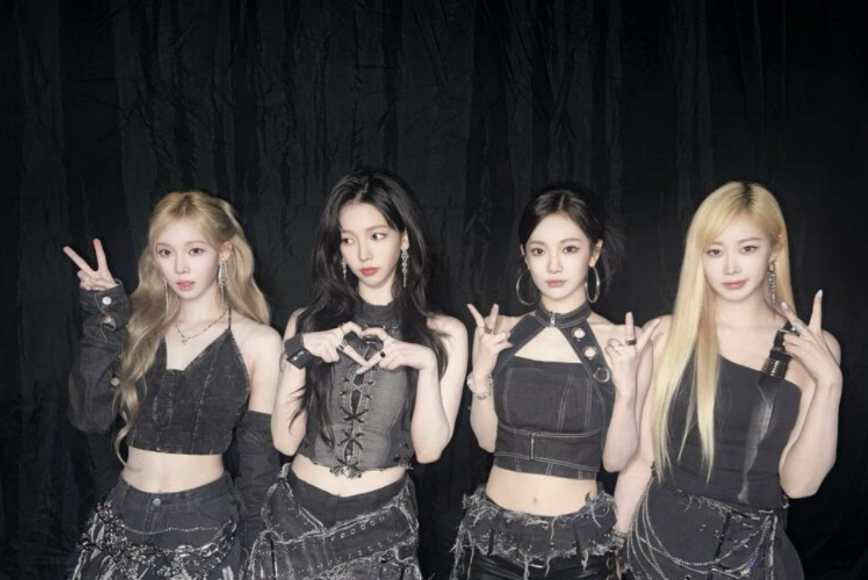
The 4th Gen IT Girl Group did it again! AESPA had their 5th Mini Album “Whiplash” comeback earlier this week. Here’s an overview:
Whiplash (3:03): This song, in my opinion, is the ultimate club song. It’s such a fun song about confidence with lyrics like “One look, give ‘em whiplash,” and truly this is such a good dance song. I will say though, it felt a little lackluster to me, but that might be because I’m not all too big on EDM or techno type of music. After Drama, Supernova, and Armageddon, I was expecting something similar so Whiplash was definitely new to me but maybe it just needs to grow on me. I will say though a lot of Aespa’s songs and their concept is about how they don’t conform to the norm and how they are who they are, so I’m here for it!
Kill It (3:20): This is by far my favorite from this album! I love the vibes and vocals of this song, it felt very on-brand for SM (aespa’s entertainment agency). It also reminded me of NCT 127, a boy group from SM. Personally, this song would’ve been a better title track but nonetheless, Kill It is also about confidence and essentially being amazing at being yourself with various lyrics like “The more you try to block me/ The more advantageous it will be for me, I’m better,” and “I’m so good at it, uh/ I’ll shake you up.” The pre-chorus makes me ascend! It’s so enchanting.
Flights, Not Feelings (3:02): This song was very interesting when I first listened to it. At first, I actually didn’t like it at all, but after a couple listens, I was starting to vibe with it. This might be my second favorite! The way the chorus in a way ran after the beat felt like an addition to the song rather than a takeaway. Their vocals and tones are so soothing. It is a bit hard to discern what this song is about but I will try my best! The title suggests the idea of “catch flights, not feelings,” which means discontinuing developing relationships and going on various trips to distract from that lack of personal relationships. This song has lyrics like “Oh, I tried to warn you/ Now I’ll do as I please/ Let it flow, oh,” which makes me think this is another type of situation like Kill It, with the idea that nothing you do to make me feel bad will work, and I love that!
Pink Hoodie (2:26): Another song with a similar vibe to NCT 127 but I love it! It’s such a fun song, the beat during the chorus feels sploinky, if that makes sense.
Another song with the same idea of confidence with lyrics like “Grab all the attention/ I’m wearing my new clothes/ I’ma give you my, my, my, my passion,” and “The more you see, the more you fall for it, fabulous.” The bridge really cements this idea of confidence and how I like who I am. Lyrics like “See me now/ I’ll change endlessly/ Crumbling borderline/ Breaking free from the stereotype/ Headlines pouring in/ I even like the chaos/ I like myself better like this.”
Flowers (3:11): This is very different compared to the other songs in terms of meaning, a sort of love song. I adore this song so much because of how it feels; to me, it feels like the sun shining through clouds, a slight breeze, and the autumn leaves falling. With lyrics like “I don’t wanna wait/ I throw myself into your scent that no one else knows,” and “You’re my dahlia, tulips and daisies/ A slowly spreading fragrance/ Violet sunset, it seems like it doesn’t exist in this world,” it is clear this is indeed a love song. Something about this song feels very sad though, I can’t place my finger on it.
Just Another Girl (3:04): Another love song but with a twist! Just Another Girl seems to be a breakup song with lyrics like “I been obsessed with you/ All these clumsy feelings, I’ll stop them,” “Falling apart, you and I, you and I,” and “You have no more chances, one shot/ I was too good for you.” Personally, this song doesn’t exactly fit in this album with the other songs but on its own, it’s a good piece. With a pop-rock type of vibe and lyrics like “Looking at you, caught red-handed, shh/ Secretly smirking, you love it/ Did you think I’d just be sad? No excuses, shh,” this song gives mid-late 2000’s vibes and I really enjoy it!
When you’re a kid, nothing excites you more than free candy and that’s exactly what Halloween is. However, as an adult, you realize that the cost of a bag of candy is scarier than any horror movie. This year particularly, the price is astronomical to supply treats for your trick-or-treaters. With the price of cocoa being extraordinarily high, let’s look at alternatives to ensure a great Halloween without breaking the bank.
When shopping for treats, stay away from chocolate, as its prices are the highest. Instead, opt for a bag of candy, as they tend to be on the cheaper side. If chocolate is too important to you, consider purchasing a variety pack that contains both candy and chocolate. Sam’s Club and BJ’s have a membership fee to shop, but if you are a member, you can buy candy in bulk, significantly lowering your unit price.
If looking for the cheapest way to enjoy Halloween, consider purchasing treats that aren’t food-related. This has become more popular in recent years as the Greenbush YMCA hosts the Capital District Teal Pumpkin Party which offers a food-free Halloween experience for all kids. The purpose of the Teal Pumpkin Project is to include kids with food allergies in trick or treating. If you choose to pass out treats like this it can be way cheaper as Target Dollar Spot and Dollar Tree offer items
-like fake tattoos and Halloween pencils.
This type of treat tends to come in bulk and is a much better value than chocolate.
With the cost of candy skyrocketing, creative ideas for Halloween are a must. Be selective in where you buy your candy so as to get the best deal and keep in mind alternatives to keep trick-or-treating not only fun but budget-friendly as well. Happy Halloween!




 The Hudsonian