
The City of Albany Facing $22 Million Budget Deficit
Lindsay Powers || Staff Writer || Issue 17
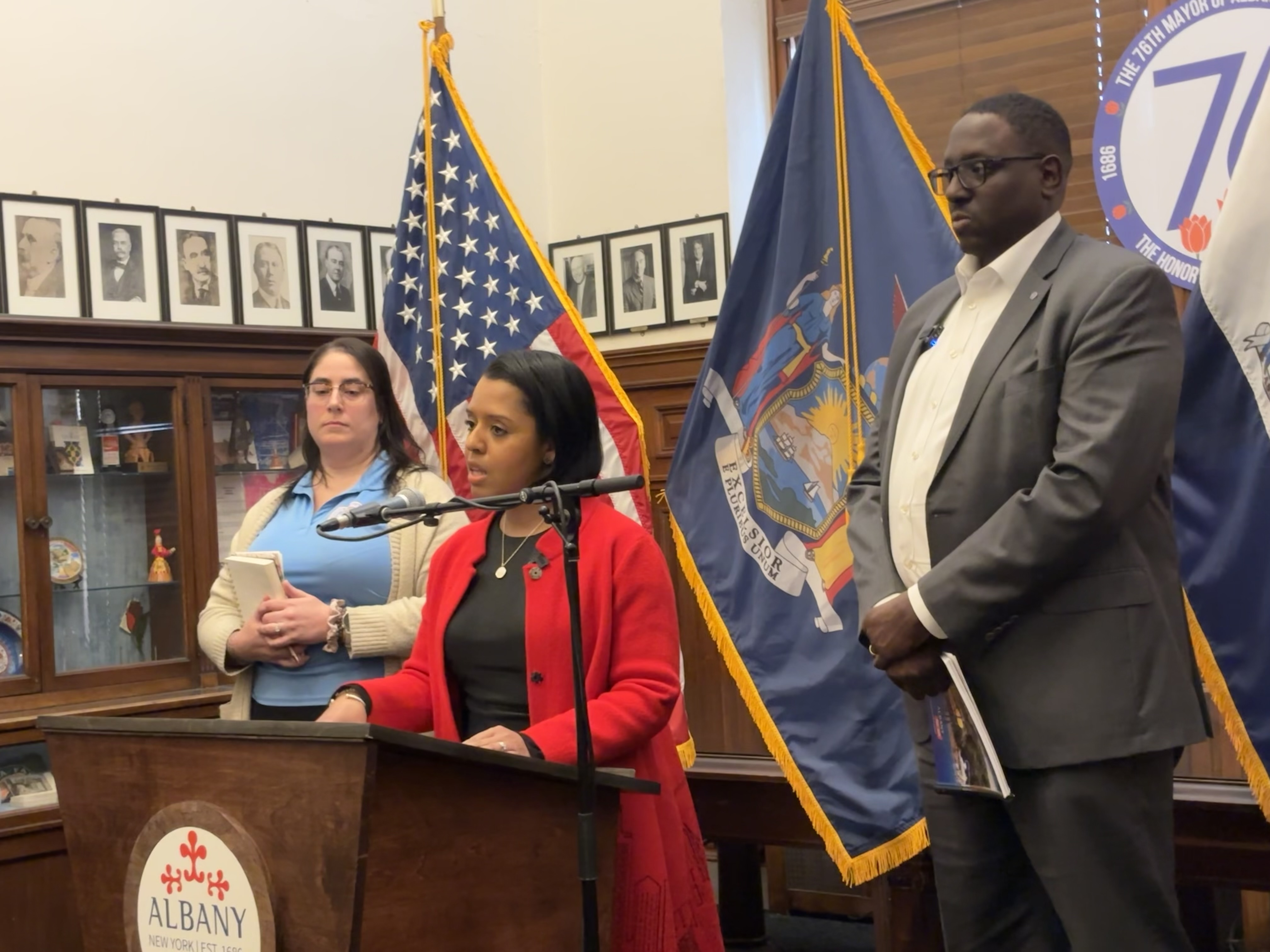
Albany City Mayor Dr. Dorcey Applyrs announced the city will have a $22 million deficit by 2026, while facing backlash over her administration’s spending decisions. According to Mayor Applyrs, the city was already dealing with a structural deficit of $15 million.
In a memo to city workers on March 19, Mayor Applyrs announced that she had instituted a freeze on non-essential positions, reduced non-emergency overtime, and limited travel and equipment purchases.
In a statement released to CBS 6, Mayor Applyrs said, “This week I implemented a series of citywide financial measures across every department,” Mayor Applyrs said. “This included, number one, a hiring freeze.”
WAMC
Some city officials still have unanswered questions and concerns about Mayor Applyrs’s administration’s financial choices, such as $1,800 spent on life-sized vinyl record-themed handouts for her State of the City address and a recent trip to Baltimore, Maryland. The mayor’s office has also created new positions and increased salaries for city workers, including a 13% increase in Mayor Applyrs’s salary, from $143,000 to $160,000.
During a council hearing on February 19th, Councilmember Deirdre Brodie said, “We need to know that we can afford these salary raises this year, and how we are affording them in the future”. Councilmember Brodie’s other concern is “This bill was put forth within days of starting the fiscal year gives me very little confidence that these unsustainable increases will slow.”
Despite the backlash over Mayor Applyrs expenditures, she continues to defend her administration’s decisions, saying, “We have been learning about our city’s fiscal picture in real time,” adding. “And even with that, there is essential work that still must happen. I stand behind every decision that my team has made to this point.” Mayor Applyrs cited economic pressures, such as inflation, rising interest rates, and declining federal support, as the culprits behind the city’s growing deficit.
City officials said they will announce additional steps to address the fiscal challenges the City of Albany will face in the coming months.
Rising Tensions: The Escalating Conflict Between the U.S., Israel, and Iran
Isabelle Holt || Editor-in-Chief || Issue 17
The conflict involving the United States, Israel, and Iran has intensified sharply in early 2026, evolving from long standing geopolitical tensions into a direct and ongoing military confrontation. What began as a strategic rivalry over nuclear capabilities, regional influence, and security concerns has expanded into a broader crisis with regional and global implications. Decades of mistrust form the backdrop, with Iran’s nuclear program, its development of ballistic missiles, and its support for allied armed groups across the Middle East remaining central points of concern for both the United States and Israel. Diplomatic efforts to limit Iran’s nuclear ambitions persisted into early 2026 but ultimately failed to produce a durable agreement, contributing to the current escalation.
In the opening months of the year, the United States increased its military presence across the Middle East, citing rising instability and concerns about Iran’s weapons development. Soon after, coordinated strikes by U.S. and Israeli forces targeted Iranian military and strategic infrastructure, marking a turning point from indirect confrontation to direct conflict. Iran responded with missile and drone attacks aimed at Israeli cities, U.S. bases, and allied positions in the region, setting off a cycle of retaliation that has continued to intensify. Israeli forces have carried out additional strikes on sites linked to Iran’s military capabilities, including missile production facilities and infrastructure associated with the Islamic Revolutionary Guard Corps, while Iran has demonstrated its ability to sustain repeated waves of attacks.
The United States has taken on a complex role, supporting Israeli operations while also pursuing its own military and diplomatic objectives. This has included troop deployments, strategic deterrence measures, and at times calibrated pauses in strikes to allow space for negotiations. One of the most sensitive flashpoints has been the Strait of Hormuz, a narrow but vital waterway through which a large share of the world’s oil supply passes. Iran has used its geographic position to threaten or disrupt shipping in the area, raising fears of a wider economic and military crisis. In response, the United States has warned of potential action to ensure freedom of navigation, underscoring the global stakes of the conflict.
The humanitarian consequences have been significant, with airstrikes and missile attacks causing civilian casualties, displacement, and damage to infrastructure in multiple areas. The conflict has also drawn in regional actors, as groups aligned with Iran have launched attacks on Israel and contributed to a widening of instability across the Middle East. This expansion has increased concerns that the confrontation could evolve into a broader regional war involving multiple states and non-state actors.
Economic effects have been felt well beyond the immediate conflict zone. Oil prices have risen amid fears of supply disruptions, contributing to inflationary pressures and volatility in global markets. Trade routes and energy security have become central concerns for governments worldwide, highlighting how closely interconnected the conflict is with the global economy.
Despite the intensity of the fighting, diplomatic efforts have not ceased. The United States has put forward proposals aimed at de-escalation, including restrictions on Iran’s nuclear and missile programs, while Iran has signaled cautious openness to continued negotiations even as it rejects certain terms. Occasional pauses in military activity suggest that backchannel discussions remain active, though fragile and uncertain. The situation reflects a delicate balance between continued confrontation and attempts at negotiation, with neither path clearly prevailing.
As it stands, the trajectory of the conflict remains uncertain. All sides have demonstrated both capability and resolve, yet also appear aware of the risks associated with a prolonged and expanding war. The coming weeks and months will likely determine whether diplomatic efforts can gain traction or whether the cycle of escalation deepens further, drawing in additional actors and reshaping the geopolitical landscape in lasting ways.
Caris Kraty Receives SUNY’s Norman R. McConney Jr. Award
Lindsay Powers || Staff Writer || Issue 17
The President of the HVCC Student Senate, Caris Kraty, was awarded the Norman R McConney Jr. Award for Educational Opportunity Program (EOP) Student Excellence. Kraty is one of 48 students who were awarded the EOP Student Excellence award.
The Award for EOP Student Excellence recognizes students across the SUNY System’s personal and professional achievements. Students need to have a 3.0 GPA or higher and demonstrate perseverance and resilience in the face of adversity and in overcoming significant challenges. Students must be nominated by their schools’ EOP for high academic merit and personal growth. The award is in honor of Norman R. McConney Jr., and former Deputy Speaker Arthur O. Eve, who helped establish the EOP in 1967.
Kraty, who is in her second year at HVCC and has been the President of Student Senate and the Black and Latino Student Union since 2024, is a board member of the Faculty Student Association and is the treasurer of the EOP club. Additionally, Kraty volunteers as a peer mentor, helping new students transition into the college environment.
In a statement made by HVCC, Kraty said, “EOP is more than support; it is opportunity in action. Coming to this country from Liberia at a young age, I had big dreams but limited resources. Through Hudson Valley, SUNY, and EOP, I found mentors, leadership opportunities, and a community that reminded me my circumstances do not define my potential. This award reflects what happens when access meets empowerment. EOP gives students the tools to rise, to lead, and to create brighter futures for ourselves and our communities.”
According to the EOP, Kraty demonstrated resilience and commitment to her professional goals throughout her time at HVCC, and plans to pursue a bachelor’s degree in media studies at SUNY New Paltz.

Two Pilots Identified After Deadly Runway Collision at LaGuardia Airport
Isabelle Holt || Editor-in-Chief || Issue 17
Authorities have identified the two pilots killed in a late night runway collision at LaGuardia Airport as Antoine Forest and Mackenzie Gunther, both early in their aviation careers.
The crash occurred shortly before midnight on Sunday, when a regional passenger flight operated by Jazz Aviation, an Air Canada Express carrier, collided with an airport fire truck while on the runway. The flight had departed from Montreal and was carrying dozens of passengers. In total, 41 people were injured and transported to local hospitals. Operations at the airport were suspended until Monday afternoon.

Air Canada Plane after crash, CNN
Officials described the loss of the two pilots as particularly tragic given their youth and promising futures. Forest, 30, was originally from Québec and had pursued aviation from a young age, beginning his flying experience as a teenager and later training on bush planes in the Saguenay region. He joined Jazz Aviation in late 2022.
Gunther, a recent graduate of Seneca Polytechnic in Toronto, had only recently begun his professional career as a pilot. The institution announced it would lower flags to half-mast in his memory, expressing condolences to his family and former classmates.
Among the survivors was a flight attendant who was ejected from the aircraft during the crash yet remarkably survived. She was discovered still strapped to her seat some distance from the wreckage and is currently being treated for multiple injuries. Family members described her survival as extraordinary.
The collision also injured two firefighters who were inside the truck at the time of impact. Audio recordings from air traffic control suggest there were urgent attempts to halt the vehicle moments before the crash.
Preliminary findings from investigators at the National Transportation Safety Board indicate that both the aircraft and the fire truck had been cleared to access the same runway. Officials are examining a range of contributing factors, including communication procedures and equipment limitations.
Investigators have also pointed to potential technological shortcomings. A ground radar system designed to detect runway conflicts did not provide a warning, and the fire vehicle reportedly lacked a transponder that could have improved its visibility to controllers.
Speaking on the broader context, transportation officials emphasized the need for modernization within the U.S. air traffic control system. Concerns have also been raised about staffing levels and workload pressures in control towers, particularly during busy or complex operations.
The investigation remains ongoing, with authorities continuing to review cockpit recordings, air traffic communications, and operational protocols. No final determination has been made regarding the cause of the accident.
Hudson Valley ATEC Construction Faces Controversy
Prajeeth Rangamudri || News Editor || Issue 17
Spending and transparency have come under scrutiny due to a recent issue regarding the new Applied Technology Education Center (ATEC) at Hudson Valley Community College. The problem started when Steve McLaughlin, the executive of Rensselaer County, denied a $1.9 million payment intended for project contractors.
According to Times Union reporting, the payout was meant to offset additional expenses brought on by a seven-month stop-work order in 2025. McLaughlin, however, claimed that building had begun without the necessary permissions and questioned why contractors should be compensated for work that might not have been approved.

HVCC Plans New Building, Programs To Help Fill Shortages In Skilled Trade Workers, Glens Falls Business Journal
The county Legislature, which first authorized the payment, will probably override the veto.
The ATEC project, which is anticipated to cost more than $60 million, is intended to serve as a significant workforce training facility at Hudson Valley Community College. Some officials attribute the additional expenses to equipment leases, pay hikes, and delays, while others point to the project’s initial management.
All things considered, this situation raises questions about how big projects are managed and whether taxpayer funds are being spent appropriately. Many will be keeping a close eye on how these problems are resolved as the project progresses.
Staff Shoutout: Scott Hathaway
Adrianna Booth || Staff Writer || Issue 10
Scott Hathaway was holding a beat-up, 1990s, charades-style game he got at a thrift store for a dollar, turning the box in his hands and explaining how he plans to use it in his public speaking class. The set of prompt cards, decades old, he said, would allow students to practice gestures and physical expression when speaking to a crowd.
The scene is consistent with the teaching style Hathaway has perfected over 32 years at Hudson Valley Community College, where improvisation and student comfort drive much of what he brings to the classroom. He continues to look for new ways to encourage students to speak and write with confidence after having taught for more than three decades.
“I’m always trying to keep them engaged,” Hathaway said. “Anything that gets them moving, talking and feeling comfortable is a win.”
Hathaway, now chair of the Fine Arts, Digital Media and Theatre Department, has spent more than half his life at HVCC, but his journey there began long before he entered college when he was 14, showing younger Boy Scouts how to perform some of the most basic merit badges. He recalled making a poster identifying the parts of an axe, teaching the lesson and quizzing the scouts.
“It was fun teaching and instructing students,” Hathaway said.
A couple of years later, a high school health teacher dropped into his study hall to find volunteers to serve as tutors in the kindergarten classroom downstairs. Hathaway registered, going to his K–12 school on a weekly basis to help the youngest students, and his love for teaching was cemented.
When he first arrived at Hudson Valley as a freshman, he knew exactly what he wanted to do. He thrived in English classes and transferred, after two years, to get a master’s degree in English from the University at Albany, thinking it was essential to anyone who wanted to teach at the collegiate level.
Yet finding a full-time position was very hard. The economy’s recession in the early 1990s created few openings, and instructors throughout the district held onto their positions for longer, limiting career openings for newcomers.
“It wasn’t super easy to get jobs in education back then,” he said.
Hathaway also juggled part-time work at multiple institutions such as Russell Sage, Schenectady County Community College and Southern Vermont College in Bennington.
“It was hard to work at three different colleges at once just to make a living,” Hathaway said. “My heart always was at Hudson Valley,” he said. And while he eventually returned to HVCC with a bold move, he stumbled into the English department chair’s office and introduced himself. There were no open positions but the chair recalled him after two composition sections opened the following year.
“It was a bit gutsy,” he said. “But nothing ventured, nothing gained.”
He taught part time before interviewing for a full-time position, and has remained at the college since.
Hathaway considers his teaching philosophy to be student-centered and grounded in the concept of learning effectively when students feel competent and supported. He teaches writing and public speaking, classes he calls “life skills” that students take into other classes and their future careers.
“I try not to be the one who knows everything,” he said. “We’re all in this together.”
He likes the hands-on approach and urges his students to practice tools. In-class exercises are often linked to topics presented in weekly classes for students to write. In public speaking courses you will find impromptu speeches, communication games and exercises designed also to make students more comfortable.
Hathaway also insists his students are never embarrassed. He tries to satisfy various learning styles through independent work, small groups and low-pressure warm ups.
“I try to use words like ‘we’ and ‘us,’” he said. “I don’t think it does any good to have a teacher versus student scenario.”
One activity that he enjoyed was having journalism students visit newspapers of their own community, such as the Times Union and the Troy Record, to discover how a newsroom worked.
“That was always a fun time,” he said.
Hathaway, who had spent 20 years in the English Department, became interim chair in 2010 when the department’s leader left on leave. What he found was that he enjoyed mentoring faculty as much as teaching students.
“I loved helping younger faculty,” he said. “Maybe I know more about this kind of job than I thought I did.”
When the chair position in Fine Arts, Digital Media and Theatre opened in 2015, he saw ways the areas connected and accepted the role, even though it took him outside his discipline. Since then, he has learned what art faculty and studio students need, including equipment, space and scheduling support.
“I learned so much about art and what student artists need to be successful,” Hathaway said.
He said he is proud of the department’s recent expansion. Last year it launched a redesigned drawing and painting studio on the third floor of Amstutz Hall and a new room for two-dimensional design. Advanced students now have individual cubicles. The digital media program also gained an additional classroom, BTC 1053, to accommodate rising enrollment in animation and graphic design. A nearby open-access lab, open daily from 7 a.m. to midnight, gives students a place to complete digital projects without buying expensive equipment.
“That space was a huge win for our students,” Hathaway said.
Even after he received a statewide teaching award, a crowning achievement in his career, he said it only encouraged him to work harder.
“I try to live up to the honor of that award,” he said.
Now in his 32nd year of teaching, Hathaway said he does not want to leave Hudson Valley.
“I could retire tomorrow,” he said. “But I choose instead to continue to work with students and faculty for as long as they’ll have me.”
He looked again at the old game on his desk, ready to try it out on his next group of public speaking students.
“My old alma mater is the place I’ve been for more than half my life,” he said. “They’ll have to drag me out, kicking and screaming.”
HVCC Appoints New Leadership for Admissions, Facilities, & Technology
Isabelle Holt || Editor-in-Chief || Issue 10
Hudson Valley Community College has announced the appointment of three new leaders whose work will play a significant role in supporting enrollment efforts and strengthening day-to-day campus operations. The changes include one internal promotion and two new additions to the college community, reflecting a mix of institutional knowledge and outside experience.
Chris Dobert has been named the college’s chief technology officer, continuing a career at Hudson Valley that began in 2020. Dobert has held several technology leadership roles at the college, including senior systems engineer and systems and support manager, and most recently served as co-interim chief technology officer. His background includes extensive experience in enterprise technology, digital modernization and cybersecurity, areas that are increasingly critical to higher education. A Hudson Valley alumnus, Dobert also earned a bachelor’s degree in computer information systems from the University at Albany, bringing both professional expertise and a personal connection to the institution.
Jim Eaton has joined the college as director of admissions and recruitment, bringing more than two decades of experience in enrollment management and student outreach. Prior to Hudson Valley, Eaton worked in admissions leadership at Siena University, where he focused on recruitment strategy, communications and data-driven enrollment practices. His approach emphasizes access and clear pathways into higher education for prospective students. Eaton holds a bachelor’s degree in public communications from The College of Saint Rose and a master’s degree in guidance and counseling from The Sage Colleges.
Dan Seaman has been appointed director of facilities and will oversee the operation and maintenance of campus buildings and grounds, along with major construction and renovation projects. Seaman brings decades of experience managing facilities in higher education, most recently serving as chief facilities officer at St. Lawrence University, where he led operations across more than two million square feet of space. His career also includes facilities leadership roles at Castleton State College, SUNY Adirondack and Finger Lakes Community College. He earned a bachelor’s degree in organizational management from Roberts Wesleyan College.
Hudson Valley Community College President Michael Brophy welcomed the new leaders, noting the important role each will play in advancing the college’s mission. He emphasized that their combined expertise will help support students, strengthen campus infrastructure and ensure the college continues to operate effectively as it looks toward future growth.
HVCC Receives Mental Health Grant
Isabelle Holt || Editor-in-Chief || Issue 10
Hudson Valley Community College has been selected as one of the first 11 community colleges in New York State to receive funding through the State University of New York’s new Mental Health First Aid Grant Program, a statewide initiative aimed at strengthening mental health support for students. The program awards up to $8,000 per campus and reflects SUNY’s growing emphasis on student wellbeing as a core component of academic success.
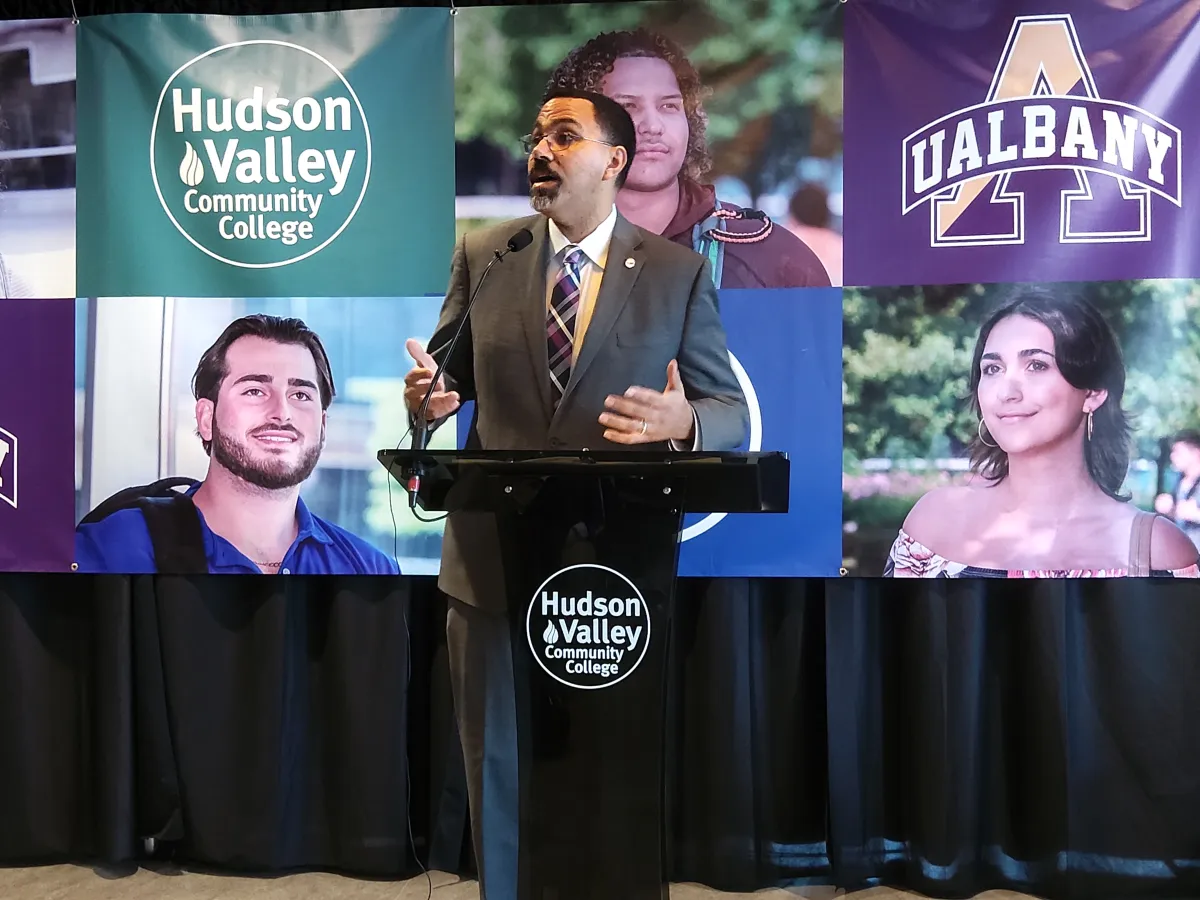
The announcement was made recently by SUNY Chancellor John B. King Jr., who emphasized the importance of equipping campuses with tools to better recognize and respond to mental health challenges. Mental Health First Aid is a nationally recognized, evidence-based training program designed to help faculty and staff identify, understand, and respond to signs of mental health concerns and substance use disorders. Through SUNY’s grant program, participating campuses will receive support for instructor certification, training materials, outreach efforts, and campus-wide training opportunities to improve mental health literacy.
Once fully implemented, the program is expected to support Mental Health First Aid training for nearly 3,000 faculty, staff, and other non-clinical campus personnel across SUNY each year. By expanding the number of trained individuals on campus, SUNY aims to increase its capacity to recognize students in distress, provide timely and informed support, and connect students with appropriate professional resources before situations escalate.
“Mental health is health, and our priority at SUNY is to advance every aspect of our students’ growth and to ensure they have the support needed to succeed in their academic, professional, and personal development,” Chancellor King said. He added that the grants will help ensure more SUNY employees are prepared to recognize and address mental health concerns and to support students when they need help most.
Hudson Valley Community College President Michael Brophy echoed that sentiment, noting the importance of addressing students’ needs beyond the classroom. “We appreciate SUNY’s recognition of the importance of mental health resources for students, and their investment in creating greater access to these resources,” Brophy said. “We strive to provide support for our students in every area of their lives, not just academics, and this new grant will allow us to offer additional support and extend our reach beyond the existing services such as those offered through our Counseling Services office.”
In addition to Hudson Valley, 26 other SUNY campuses received funding through the Mental Health First Aid Grant Program, including a mix of community colleges and four-year institutions across the state. These campuses range from large research universities such as the University at Albany and Stony Brook University to smaller colleges like Jamestown Community College and SUNY Maritime College, underscoring SUNY’s system-wide commitment to student mental health.
Students seeking mental health support can access resources through SUNY’s mental health webpage, while Hudson Valley students have several options available locally. These include appointments with professional counselors through the college’s Counseling Services office, access to the Help Now Crisis Line at (518) 629-7320 for immediate support outside regular hours, and Welltrack Boost, a self-help app available through student email accounts that offers wellbeing assessments and educational tools. Anyone experiencing an immediate mental health crisis can also call or text 988 to reach the Suicide and Crisis Lifeline, which provides free, confidential support 24 hours a day.
By participating in this new grant program, Hudson Valley Community College is taking an important step toward fostering a more informed, supportive campus environment where mental health is recognized as an essential part of student success.
Cancer Rates on the Rise with Young Adults
Adem Jones || Issue 8 || November 12, 2024
Experts warn of growing cancer incidence among young adults, citing lifestyle and environmental factors.

Recent studies reveal that cancer rates are on the rise among young adults, particularly for colorectal and breast cancer, two types traditionally more common in older adults. Data from Cedars-Sinai shows that diagnoses for these cancers in younger age groups have steadily increased over the past few decades, with individuals in their 20s, 30s, and 40s facing higher risks than before.
Experts aren’t entirely certain why these rates are rising but believe changes in lifestyle, diet, and environmental factors might contribute. Factors such as processed food consumption, sedentary habits, and rising obesity levels are under scrutiny. Additionally, genetics and family history remain important aspects, with some individuals more susceptible to cancer at younger ages due to inherited genetic factors.
The rise in these cases has led to adjustments in screening recommendations. For example, the American Cancer Society now suggests that individuals begin colorectal cancer screening at 45 instead of 50, in response to the increasing diagnoses in younger adults. Breast cancer screenings are also being reconsidered, with recommendations for early screenings for those with a family history or higher risk factors.
Dr. John Leppert from Cedars-Sinai explains that “Catching cancer early can be a huge factor in treatment success,” adding that, especially with early-onset cancer, “regular checkups and knowing family history are more important than ever.” Doctors recommend that young adults stay proactive about their health, report unusual symptoms early, and advocate for screenings if they believe they might be at risk.
The rise in cancer rates among younger adults is alarming, but there are positive steps that can be taken. Young adults can reduce their risk by making lifestyle changes such as increasing physical activity, eating a balanced diet, and staying on top of regular health screenings. While there’s still much to learn, researchers and health professionals are working to understand this trend, offering strategies to help younger populations stay vigilant and informed.
Red Cross Blood Drive
Kelly Nguyen || Issue 8 || November 12, 2024
Blood donations are crucial to maintaining the health and well-being of patients across the country, and with the need for blood constantly rising, there has never been a better time to give. On Wednesday, November 13, the Red Cross is providing an excellent opportunity to allow those who wish to donate blood. At 9:00AM through 3:00PM in the Bulmer Telecommun-ications Center (BTC), students and staff are able to schedule an appointment for the donation through the Red Cross website.
To ensure that blood donations are managed efficiently and safely, it’s required to schedule an appointment ahead of time.

When booking an appointment, there will be two options: Power Red or Blood. These appointments mean different things and are different types of donations. Power Red donation does collect the red blood cells but returns most of the plasma and platelets to the donor. To do this, there are specific requirements such as having type A Neg, B Neg, or O blood. On the other hand, Blood is the most common type of donation where one pint of blood is usually taken.
There are some requirements that need to be taken into account when someone is interested in donating blood. The person must be in good health with a maintained iron level. Moreover, there are height and weight requirements for those who are 18 or younger listed on the Red Cross Website. Those donating blood should weigh 110 lbs or more. It is also important to have forms of ID like a student ID or driver’s license. If unsure about the eligibility to donate, the Red Cross website provides an excellent webpage about the requirements for those interested at “Eligibility Requirements – Red Cross Blood”.
Vet-Roc and Veterans Day
Izzie Holt || Issue 8 || November 12, 2024
Veterans Day was yesterday, November 11th, and as the nation pauses to honor those who served in the military, HVCC is committed to recognizing the contributions and sacrifices of our veterans and active-duty service members. This day is an important reminder of the courage and dedication that these individuals demonstrate in serving our country, often at great cost. As a college community, there is great importance in the acknowledgment of their efforts, and providing support as they may transition to civilian life or continue their education.
On campus, the Vet-Roc (Veterans Resource and Outreach Center) plays a vital role in assisting veterans.

The center offers a wide variety of services tailored to the unique needs of veteran students, including academic advising, counseling, and help navigating benefits such as the GI Bill. Additionally, the center provides a welcoming space where veterans can connect with one another, share experiences, and build a sense of community. This support system is crucial for many veterans as they adjust to academic life, often after their military service.
The Vet-Roc also helps educate the campus community about military culture, encouraging all students to understand and appreciate the challenges faced by those who have served.
By fostering this awareness, the center ensures that veterans feel recognized and valued on campus, creating an inclusive environment
where they can thrive both academically and personally.
Throughout this week following Veterans Day, The Hudsonian and Hudson Valley invites the entire college community to reflect on the bravery and dedication of our veterans and active-duty military members. It’s an opportunity to thank those who have served and to reaffirm our commitment to supporting them in their journey forward.
Through campus resources and the shared spirit of respect, we stand united in honoring veterans- not just on one day, but throughout the year.
Russia Allegedly Planning to Plant Explosives on U.S. Bound Flights
Christian Rasmussen || Issue 8 || November 12, 2024
Four Arrested Amidst Devices Found Onboard a Plane in a Germany Airport…

Western Security Officials have spotted two incendiary devices placed on passenger aircraft from Europe to the U.S., and Russia is the suspected perpetrator. Four people have currently been arrested for the scheme, and an investigation is still pending. The Wall Street Journal was the first to report on this matter, and Polish authorities have taken the suspects into custody.
The incendiary devices were tracked by the DHL while at Leipzig/Halle airport in Germany, and state that there is no current threat to U.S.-bound aircraft. The White House and CIA declined to comment at this time. There were two other incidents in July reported by Britain and Germany that were also suspected to be of a Russian plot. This incident was “to test the transfer channel for such parcels” (NBC). The U.K. counterterrorism police also decline to comment at this time.
Many nations of Europe have recently accused Russia of aggressive sabotage campaigns, which are presumed to aim at disrupting Western support to assist Ukraine in the ongoing war.
This attempted sabotage was also set to hurt Germany by a plot to ‘bomb or set fire to military bases in Germany.
International spokespeople of Russia have denied these accusations and have claimed that all of the information is fake and that the sabotage against United States aircraft was ‘one of such fakes’.
The feud between Russia and NATO continues with the war in Ukraine, and it is possible that Russia is heating up the conflict through these sabotages.
Photo Credits: ENS Schlueter/Getty Images
Albany School Cameras Issue 12,000+ Speeding Tickets in 10 Days
Adem Jones || Issue 8 || November 12, 2024
The city of Albany’s newly installed school zone speed cameras have issued a stunning 12,000 speeding tickets in just 10 days. Located near school zones, these cameras are active during school hours and have a strict tolerance, drivers going even just over the limit receive a ticket. Each fine is set at $50, which adds up fast, considering the volume of tickets issued in this short time.
The speed cameras aim to make school zones safer for students by deterring speeding and raising awareness about speed limits in high-traffic areas.
However, some Albany residents feel the cameras are catching too many people unaware, especially since they were recently introduced. As Albany Mayor Kathy Sheehan pointed out, the city has a responsibility to make school areas safe, and the cameras are a direct response to the increase in reckless driving observed in these zones.
Yet, some drivers feel the strictness of the system is too much and too fast. Critics argue that the city should give more warnings before issuing fines and question if the cameras are more about revenue than safety.
According to city officials, however, the cameras are meant to serve as a deterrent, and the fines are just a consequence of drivers failing to follow posted limits.
Albany officials are monitoring public feedback, but with safety as the priority, the cameras are likely here to stay. Whether or not ticket numbers decline in the coming weeks will show how effective these cameras are in achieving their goal of slowing down drivers and protecting students.
Student Senate Elects Freshman Senators
Christian Rasmussen || Issue 7 || November 4, 2024
On October 21, 2024, the Hudson Valley Community College Student Senate elected the Freshman Senators and Freshman Class President for 2024-25. The following students were elected as Freshman Senators: Jane Y Htet, Htet, Keegan Brady, Matty P Keller-Haller, Kelly Nguyen, and Kercel Montes. Then voted Freshman Class President: Amanda Palmar!
“I’m really excited for what’s to come with the senate and all the events we’re going to plan this year,” Amanda said. The Freshman Senators went through the election and voting process in the weeks leading up to the Senate Meeting on October 21, and all have great aspirations for student advocacy. Congratulations to our new Student Senators!

Rabies & What We Have Wrong?
What are some common misconceptions with it?
Aidan Durie || Issue 7 || November 5, 2024
When you ask a person to think of rabies, a few animals come to mind right away. Such as dogs, rats, raccoons, mice, foxes, bats, skunks, cats, and possums, but do all of these commonly thought of animals really deserve all this bad press? The answer to that question is what we’ll briefly cover here, as well as a couple common misconceptions related to this horrifying incurable disease.
Firstly we’ll talk about which of these prior listed animals commonly do carry rabies. Those carriers being bats, foxes, skunks, raccoons, and cats! With cats being number one in terms of domestic animals according to the New York state “Among domestic animals, cats are most frequently diagnosed with rabies in New York State.” As stated on the rabies section of their website. As for some of the animals that don’t commonly carry rabies we have mice, rats, many other rodents, dogs, and opossums (which are marsupials not rodents). Which is quite surprising to most people; the thought that most commonly rodents and dogs carry rabies less often than cats, raccoons, foxes and skunks comes as quite a shock.
More often than not we as people associate rodents with filth and disease, but it is instead some of our cutest animals we need to watch out for most when it comes to disease! As for some common misconceptions when it comes to rabies past just rodents not being the primary carriers, we’ve got the idea that if you get bitten by an animal with rabies you’re just completely screwed. Which is only the case if you don’t take action after being bitten by an animal and that animal happens to have rabies; once symptoms present, yes you are most likely dead, but if you

immediately take action after an animal bite, and receive proper post-exposure prophylaxis as it’s put by the CDC, your chances of survival spike up dramatically, as this whole procedure of PEP is “is nearly 100% effective if administered promptly.” States the CDC’s rabies page.
Another misconception about rabies is that it can only be transmitted through bites, which isn’t quite the case; in truth “the virus can be transmitted when saliva enters any open wound or mucus membrane (such as the mouth, nose, or eye).” says a rabies article from the IAMAT. Which means that things such as scrapes, spits, and licks as well can transmit this flagrant frothy disease to your body!
Hopefully you learned something new and useful from this article, and maybe next time you won’t say that a cat’s got your tongue, but a rat instead, at least if you don’t want rabies that is!
OPENAI Shifts into a For-profit Business
OPENAI’s Multi-million Dollar Gambit
Adem Jones || Issue 7 || November 4, 2024
OpenAI has announced a shift from its original nonprofit structure to a capped-profit model. This change is designed to attract the substantial investments necessary to fuel its ambitious goals in artificial intelligence (AI). As people begin to learn about and understand the implications of this decision, it’s clear that the tech landscape is undergoing a transformation that raises questions about the balance between innovation and ethics.
Originally founded in 2015 as a nonprofit committed to ensuring that artificial general intelligence (AGI) benefits all of humanity, OpenAI has recognized that the growing costs associated with AI research demand a new approach. Sam Altman, OpenAI’s CEO, says “The only way to make progress in AI is to invest heavily in it.” This sentiment reflects a reality in which the competition for cutting-edge AI technology is intensifying, and the financial stakes are higher than ever.
The decision to switch over to a capped-profit model is primarily driven by the high expenses tied to developing advanced AI systems. As Altman pointed out, building AGI that is aligned with human interests requires a lot of resources.
With giants like Microsoft and Google now heavily investing in AI, OpenAI must position itself competitively. Microsoft’s $1 billion investment in OpenAI in 2019 illustrates the kind of financial backing that can propel the organization forward.
Partnering with Microsoft has enabled OpenAI to tap into essential cloud computing resources, speeding up its research efforts.
However, this shift has sparked concern among some critics. There’s a fear that the move toward this new model might compromise OpenAI’s foundational principles, leaving people to wonder, will prioritizing financial gain become the priority over ethical considerations? The history of tech companies suggests that profit motives can sometimes lead to neglecting social responsibilities.
In defense of the change, Altman insists that the goal remains to continue to do good. The capped-profit model is intended to balance the need for financial sustainability with the commitment to ethical responsibilities. By offering a limited return on investment, OpenAI aims to fund its research without sacrificing its mission to benefit humanity. But this raises a critical question: Can a company truly uphold its ethical commitments while being influenced by turning a profit?
This debate also intersects with the ongoing discussions about regulating AI technologies. As these systems become more embedded in our daily lives, issues surrounding accountability, transparency, and bias have come to the forefront.
The concern is that in the pursuit of profit companies might overlook the importance of ethical AI development.
OpenAI’s transition reflects a broader trend in the tech industry. Many startups are reevaluating their funding strategies as the demand for advanced AI solutions continues to surge. Altman remarked, “We need to adapt to the realities of AI development, which requires an unprecedented level of investment.” This adaptation, while necessary, can create tension regarding the long-term implications for ethical AI development.
While the transition to a capped-profit model may provide OpenAI with the resources needed to accelerate its projects, the larger ethical concerns remain in focus. As OpenAI embarks on this new journey, the eyes of stakeholders across sectors will be observing how the organization balances profit motives with its commitment to responsible AI advancement.
At this crucial juncture in AI evolution, we must keep the conversation centered on the ethical considerations that must accompany technological progress. OpenAI’s shift to a capped-profit model could be a necessary step toward sustainability, but it also serves as a prompt for broader discussions about the future of AI and the responsibilities that come with it.
Archaeologists Find Tiny Frescoed House
What are frescos, and why are they just being found now?
Jonah Flanagan || Issue 7 || November 4, 2024
Recent reports of a small house located in Rome, lacking an atrium but decorated with preserved frescoes has been discovered in the roman city of Pompeii, which was destroyed by Mount Vesuvius in A.D. 79.
Pompeii was a flourishing resort city in the south of Rome, that was built around 8-9th century B.C. by the oscans. But along the coast of the city was the shadow of a volcano called Mount Vesuvius where its famous eruption occurred which devoured the city in ash and rubble in 79 A.D.

Photo credits: Archaeological Park of Pompeii
Aside from the famous eruption, Pompeii was most known for its buzzing city life, from the artifacts, the cult of Isis, Fashion, and its art. Mostly it’s frescos. Frescos is an art technique that consists of its mural painting, the process would include mixing water and powdered dye pigment with a plaster that would be applied to a wall, which would result in a mural.
The site has been named “The House of Phaedra” after the mythological queen of Athens, who is depicted in one of the paintings with her stepson Hippolytus, who refuses her advances.
On the other walls depicting patterns, scenic views from nature, an encounter between a satyr and a nymph, and gods who may or may not represent Venus and Adonis. Unlike many of the houses excavated at the site, it was not built around the traditional atrium, which is an open space with a pool for collecting rainwater. Despite its small size, the house is stated to “strike us for the high level of its wall decorations,” which means they were of similar quality to much larger and more opulent homes near the discovery, which lies at the center of the site.
Big Tobacco’s $24 Million Settlement: The Cons of Failing to Warn about the Deadly Risks of Tobacco

Adem Jones || Issue 6 || October 28, 2024
Three of the world’s largest tobacco companies, Philip Morris International, British American Tobacco (BAT), and Japan Tobacco—have reached a tentative settlement of C$32.5 billion (US$23.6 billion) to resolve a massive class-action lawsuit brought by nearly 100,000 Canadians. These individuals, many suffering from severe health conditions linked to smoking, accused the companies of failing to accurately inform them of the deadly risks of tobacco for decades, despite knowing the dangers.
The settlement comes after a nearly decade-long legal battle in Quebec, where the tobacco giants were originally ordered to pay billions in damages in 2015. The lawsuit claimed that the companies failed to properly warn consumers about smoking’s health risks, with some plaintiffs alleging they had developed life-threatening diseases like lung cancer and emphysema due to decades of misleading advertising and lack of clear warnings. Philip Morris, BAT, and Japan Tobacco have agreed to pay the staggering settlement, but are finding themselves in deeper controversy surrounding how they’ll fund it.
“This is an important step toward resolving this matter and focusing on the future,” said Jacek Olczak, CEO of Philip Morris International. What Olczak didn’t mention, and what is fueling this controversy, is that the settlement will be funded through current and future sales of tobacco products in Canada, essentially forcing future smokers to pay for the damage caused by past smoking.
Critics have slammed this arrangement, calling it a slap on the wrist for companies that continued to profit despite the massive health risks associated with their products. Jacob Shelley, a professor at Western University, pointed out that the settlement “missed the chance to incorporate stronger policy terms” that could have curbed or slowed the tobacco industry’s harmful practices.
The plaintiffs now have until December 2024 to accept or reject the deal, which is expected to receive final approval by mid-2025 if accepted.
While the settlement may seem like a victory for the plaintiffs, some say it’s a financial band-aid that allows
the tobacco industry to walk away relatively unscathed, still able to market and sell its deadly products. The tobacco companies appear eager to move on, with Imperial Tobacco Canada stating it supports the framework of the deal, which will be paid out over several years.
The plaintiffs, many of whom are elderly or dealing with severe health issues, had long fought for justice, accusing the companies of knowingly selling products that caused irreversible harm.
“This is about holding them accountable for decades of lies,” one plaintiff said when the settlement was first proposed. However, with the tobacco companies funding the settlement through future sales, some wonder if any real accountability has been achieved—or if this is just another calculated move by an industry that has dodged responsibility for years.
This settlement, one of the largest of its kind in Canadian history, highlights the enormous toll smoking continues to take on public health, and raises the question: Will this be enough to force meaningful change or just another payday for Big Tobacco?
New York Hits Solar Power Milestone: NY Achieving Solar Power Goals Ahead of Schedule
Christian Rasmussen || Issue 6 || October 28, 2024
New York State just crushed its expectations for solar power as stated in the 2019 State Climate Law. The New York State Energy Research and Development Authority (or NYSERDA), stated that they installed 6 Gigawatts of solar energy, which crushed their expectations by a year.
The NYSERDA has been trying to produce cleaner and more efficient energy since the State Climate Law was introduced. “This is not only a huge benefit to consumers, a huge benefit to our environment but also a huge benefit to our economy,” President and CEO Doreen Harris states. These new solar farms have not only produced $9.2 billion in private investments but also created over 14,000 jobs nationwide.
This giant influx of energy has powered over 1 million homes in New York State. With solar energy being clean, this is a huge win for environmentalists and climate change activists. The NYSERDA has claimed that they expect to distribute 10 Gigawatts of solar power by the year 2030.
The NYSERDA is doing its best to make New York State a healthier and cleaner place, by producing cleaner energy more and more every day.
The transition into a ‘low-carbon future’ would be critical in the fight against climate change and global warming. In accordance with the State Climate Law, the NYSERDA is striving to make dramatic changes in the economy, environment, and people, by cleaning up the world one state at a time.
You can read more about the NYSERDA by scanning the QR Code here:

Ex-Olympic Snowboarder Wanted by F.B.I. – Former Star Ryan Wedding Wanted for Drug and Murder Charges
Jonah Flanagan || Issue 6 || October 28, 2024
Olympic snowboarder Ryan Wedding was just accused of leading a violent international drug ring.
The FBI says that Wedding orchestrated the shipment of tons of cocaine from Columbia and Mexico to the USA and Canada, along with the ordering of multiple killings. It’s been also said that Wedding is in Mexico, a federal warrant was issued for him one month ago in the US central district court in LA.
A grand jury indictment was filed in June charging Wedding with numerous counts of felonies, He currently is the lead defendant in a superseding indictment that was unsealed this week that named 16 people.

“They have triggered an avalanche of violent crimes, including brutal murders… Wedding, the Olympian snowboarder, went from navigating slopes to contouring a life of incessant crimes.” Matthew Allen, special agent in charge of the Drug Enforcement Administration’s Los Angeles division, said in a statement.
Authorities say that the drug conspiracy operated at a large scale, from Columbia, Mexico, to three California counties, that being LA, Riverside, and San Bernardino. Agents were able to monitor the actions of the group earlier this year due to a mole who relayed coded messages about the alleged drug shipments.
As a part of federal investigation – dubbed Operation Giant Slalom, echoing at an Olympic event Wedding once competed in, Law enforcements caught the defendants with a total of 1.8 metric tons of cocaine along with some weapons as well.
It was estimated to be around $255,450 in cash, and more than $3.2 million in crypto currency.
If Wedding is convicted “would face a mandatory minimum penalty of life in federal prison on the murder and attempted murder charges,” according to the Justice Department.
This is the second time that the US authorities have leveled serious drug charges against Wedding, as he was previously convicted in 2009 with conspiracy to distribute cocaine where he served a year in prison. He’s also been investigated by the Canadian authorities with prior drug investigations.
Photo credit: Adam Pretty/Getty Images
Squatters Take Over Elderly Home
Christian Rasmussen || Issue 6 || October 28, 2024
Squatters, a term used to describe someone who takes over the ownership of someone’s house by staying in their house long enough to be considered a resident, allegedly took over the home of Colorado Springs residents this past week. William and Arlene Towns, a couple well into their 70s, are now fighting what they are considering to be squatters to win back their home of 50 years.
Squatters have become legal trouble nationwide, people who find loopholes in property law by staying in a house for over a month. By definition, once they stay in the house for over a month and get mail delivered, they are the legal tenants of the property.

This is especially difficult to deal with for landlords, as they now have to go through the eviction process. This tale is no different for William and Arlene.
“Living on a fixed income, William and Arlene cannot afford the extravagant legal costs, while the squatters receive free legal aid,” says a GoFundMe post, supporting William and Arlene. The squatters have also been accused of running the water and lights unnecessarily to give the Towns “skyrocketing utility bills”.
The squatter was originally presumed to be a homeless lady, offering to do chores, with whom William had trusted. The daughters state that the lady had “taken advantage of our dad and his compromised mental state and now has moved many of her belongings into his home.” The couple is currently living off of their social security checks, hoping that the law will do them justice.
Photo Credits: Yahoo! News
HVCC Pumpkin Palooza Fall Festival: Don’t miss this free pre-Halloween celebration on Oct 24th!
Kelly Nguyen || Issue 5 || October 22, 2024
The Hudson Valley’s annual Pumpkin Palooza Fall Festival is coming up Thursday, October 24. Join the community for an exciting day of fun and festivities. Students, staff, and families from the community are all invited to celebrate an early spirit of Halloween. All attendees are welcome to wear Halloween costumes! In fact, a varying number of student volunteers running the festival may also be dressed up. The event will have various free activities throughout the day for participants of all ages to enjoy. Families can enjoy the live music and captivating magic show by Jim Snack, the magician, providing entertainment who will surely delight both children and adults. For those who enjoy art, caricatures and face painting booths will also be present to capture the memorable moments of the day. Moreover, the event will have the special appearance of Mr. Twisty, the friendly clown to entertain with his antics and jokes.

Refreshments will be available to keep everyone fueled and energized. In addition, there will be a plethora of carnival games with prizes for families and kids to enjoy run by student volunteers. If interested, any participants also have the opportunity to explore and walk through a display of pumpkins carved and/or decorated by Hudson Valley Students and Staff from a competition.
The Pumpkin Palooza is a fun event with many exciting opportunities. It runs on Thursday, October 24 from 5:30PM-8PM, and is located in the McDonough Sports Complex.
Don’t miss this free pre-halloween celebration!
Over 50 Served at Capital Region Community Dental Event
Kelly Nguyen || Issue 5 || October 22, 2024
On October 5, more than 50 Capital Region residents received essential, free dental care at the Capital Region Community Dental Event. This initiative was held at Hudson Valley’s Robert H. Hill II Dental Hygiene Clinic and was an attempt to give oral healthcare to those in need. The mobile dental labs were provided by Kare Mobile
The event provided individuals with an oral health assessment along with screenings, x-rays, pain management guidance, and extractions. Those who needed more emergent care were referred to dental vans where volunteer dentists could help them. To ensure continuity of care, a community dental health coordinator met with each patient to develop a follow-up care plan.
Overall, the goal of the event was to relieve patients of discomfort and create the foundations for good oral health amongst those who may be unable to access it. This was also a great collaboration between Dental hygiene and Dental assisting students that fosters mentorship. In addition, it gives the 63 dental Hygiene students, 3 Dental assisting students, and 2 dental Hygiene alumni who participated in the event more experience in the field.
Looking ahead, the New York State dental Foundation aims to replicate this community dental event model across the state. By continuing to engage in these vital initiatives, the foundation hopes to further improve access to dental care and health for communities in need.
Death of Celebrity Liam Payne: Former One Direction Star Dead at 31
Evelyn Martz || Issue 5 || October 22, 2024
Singer Liam Payne, who came to fame with the beloved band One Direction, died on Wednesday, October 16, at the age of 31. He was staying at a hotel in Palermo, Argentina, and fell from his balcony on the third floor.
The circumstances surrounding his death are still slightly mysterious, as we don’t know whether his fall was accidental or not. It appears that he was under the influence of drugs and/or alcohol, and police had been called to the hotel minutes before the fall to address reports of an “aggressive man”, per a statement given to NBC. The guest who made the call said that “when [Liam] is conscious he breaks the whole room” and “I don’t know if he is at risk.” Payne’s autopsy report suggested that he “could have fallen in a state of semi or total unconsciousness.”

Liam Payne auditioned for The X Factor at the age of 14, and while he didn’t make the cut the first time around, he was encouraged by Simon Cowell to try again when he was older. In 2010 he was put together with Niall Horan, Zayn Malik, Harry Styles, and Louis Tomlinson to compete on the show again as a group. They took on the name of One Direction and came in third place, signing to Cowell’s label and becoming the band we know and love.
Liam was a frequent songwriter for the group, helping out on hits such as “Night Changes”, “Steal My Girl”, and “History”, and after One Direction broke up he eased into working on solo albums, producing EDM music, and making collaborations with artists such as Rita Ora, Alesso, and Zedd. He also dated fellow singer Cheryl Cole from 2016-2018, and they have a seven-year-old son together named Bear.
Photo credit: AP News
Many fans around the world and all four of Payne’s former band mates have posted touching tributes on Instagram expressing their love for him and their shock and sadness at his passing. Niall Horan wrote that “The bond and friendship we had doesn’t happen often in a lifetime”, while Louis Tomlinson said that “Liam was in my opinion the most vital part of One Direction” and, speaking to Liam, “I want you to know that if Bear ever needs me I will be the Uncle he needs.” Harry Styles described Payne as having “an energy for life that was infectious” and Zayn Malik wrote that “we could always rely on you to know which way to steer the ship next…. Love you bro.”
50 Well-Preserved Viking Age Skeletons Found in Denmark
Christian Rasmussen || Issue 5 || October 22, 2024
Everyone knows Hudson Valley Community College’s mascot is Victor the Viking, but did you know that there were 50 skeletons found in Denmark, popular for their Viking history, that were well-preserved in a burial ground.
In the village of Aasum, Denmark, 50 well-preserved skeletons were found in a burial site, which may give historians more information about the viking age in Denmark. Denmark is a smaller country in Northern Europe, famous for its lustrous forests and Viking culture. The Vikings were a nomadic people of Nordic descent, commonly found in Norway, Denmark, and other countries in Northern Europe. Many Vikings would typically be associated with ocean travel, being well-known to sail the oceans.

Did you know that Vikings were the first to discover America, not Christopher Columbus? There are many things that your typical history class may not teach you about the Vikings, such as their cultural norms or lifestyles. These skeletons may give scientists and historians answers to many sought after questions about the Viking age and the vikings themselves. Along with the skeletons, there were many Viking belongings such as necklaces, knives, and some broken glass.
Studying these fossils and historic remains would shed a much greater light on the livelihood of these ancient nomads. Archaeologists say that the artifacts may date as far back as the 10th century. These artifacts have been dug up from their burial sites by archaeologists, and given to the Museum Odense’s preservation labs for ‘cleaning and analysis’. They hope that by studying these ancient relics, they can uncover some hidden secrets about the old Danish Vikings.
Photo credit: Museum Odense/Wikimedia Commons
SpaceX Successfully Finished 5th Starship Test Flight
Christian Rasmussen || Issue 5 || October 22, 2024
SpaceX, a space navigation and rocket design company run by the world’s richest man, Elon Musk, has been working on their famous Starships in hope to bring humans back to the moon, and to one day, bring them to Mars. Space exploration has been the final frontier of mankind since the Kennedy administration, and SpaceX has been one of the most prominent leaders of this industry since 2002. The Starship program started with its first flight August 27, 2019, titled “Hoppy”. In light of this endeavor, Elon Musk has been trying to create rockets that would land back on the Earth after going into space. This would dramatically change the space industry, cutting the cost of space travel into fractions of what it is now.

On October 13, 2024, SpaceX sent up their fifth Starship test flight, and in light of their previous launches, all fingers were crossed. In complete shock, SpaceX staff watched as they narrowly and very finely landed their rocket by catching it in the arms of a tower with a height of around 480 feet, making their goal of having a fully reusable rocket possible and a reality. “What we just saw, that looked like magic,” said Dan Huot, a SpaceX communications administrator.
SpaceX continues to this day to create more reusable rockets, until we can comfortably entrust SpaceX to take astronauts into space and back with minimum expenses of both property value and human life. With this incredulous milestone, the possibility of the United States returning to the moon, or even stepping foot on Mars, Earth’s neighboring planet, seems more possible than ever.
Photo credit: SpaceX

HVCC and UAlbany Student Transfer
Adem Jones || Issue 5 || October 22, 2024
Offering a vibrant campus life, diverse academic programs, and unparalleled opportunities for personal and professional growth, UAlbany is ready to welcome new transfer students from the HVCC, all you have to do is stop into the Office of Transfer Services and Dual Admissions! Staff have been given their own office on the HVCC campus to simplify and support the transfer process between the two institutions. This collaboration plays a crucial role in helping students achieve their educational goals as HVCC continues to be UAlbany’s largest source of transfer students, averaging about 200 students each year. The HVCC-UAlbany transfer advisement program offers students detailed insights into transferring to the University at Albany. Students can schedule appointments with transfer advisors to review their unofficial transcripts, estimate transferable credits, and discuss potential pathways that align with their goals. These services are designed to offer clarity on application requirements, transfer scholarships, campus life, and most notably, their dual admission program.
Dual admission students receive a University at Albany ID card, giving them access to the UAlbany library, athletic events, and student activities both on campus and at other locations. UAlbany academic department will also reach out to students, offering opportunities to connect with faculty, participate in department activities, and get to know the university community. Additionally, during their second or third semester at HVCC, they will have the option to take a cross-registered course at UAlbany in their field of study, offering a head start in their UAlbany degree.
There is also a guaranteed UAlbany Transfer Merit Scholarship available for incoming dual admission students who achieve a GPA of 3.0 or higher during their time at HVCC. Launched on HVCC’s campus in 2019, the advisement program has evolved based on positive student feedback. Initially housed within the Career and Transfer Services Office, UAlbany opened its own office in Room 290 of the Campus Center in Spring 2024 to focus exclusively on transfer and dual admission services.
The staff of this program are Sandra Battaglino, Interim Assistant Director for Transfer Services/Dual Admissions, and John Donoghue, The Dual Admissions Academic Advisor. Battaglino, the main contact for the transfer program, emphasizes the importance of students familiarizing themselves with UAlbany before their transfer. “Come to campus, visit, and take advantage so that you can start to get a feel for UAlbany’s campus life,” she says. “Eat lunch on campus, visit the library, go to events, and take advantage of the lectures and guest speakers. Be sure to visit early and often, it will put you in a better position by your first year.”
John Donoghue emphasizes the simplicity of the program, “Students don’t have to reapply to UAlbany if they’re part of this program,” Donoghue explains. “It’s a streamlined process that makes it easy for students to focus on their academics while ensuring they meet the requirements for both institutions. It’s never too early, even as a first year. If you have any questions don’t hesitate to reach out.”
Students at HVCC can easily take advantage of the transfer advisement service by scheduling appointments through the Hudson Valley Career and Transfer Services website, or by reaching out to Sandra Battaglino, sbattaglino@albany.edu, John Donoghue, jdonoghue@albany.edu, or by visiting Room 290 in the Campus Center.
The status of Boeing in 2024
Adem Jones || Issue 5 || October 22, 2024
Boeing’s 2024 took a sharp turn when a rear door plug fell off of one of its planes mid-flight, forcing an emergency grounding of the aircraft and intensifying scrutiny on the company already battling a string of safety and production failures.
In early January 2024, a Boeing 737 Max 9 operated by Alaska Airlines experienced a major in-flight incident when a rear door plug detached, causing rapid decompression. The plug, which is designed to seal the rear emergency exit, fell into the backyard of a high school teacher in Portland, Oregon, shortly after takeoff. There were no injuries among the 171 passengers and six crew members on board, but the event raised significant safety concerns.
“This incident should have never happened and it cannot happen again,” the Federal Aviation Administration (FAA) said in a statement. The FAA responded by grounding all Boeing 737 Max 9 planes with the same door plug configuration. Alaska Airlines grounded its fleet of 65 Max 9 aircraft, followed by the FAA’s grounding of 171 planes across multiple airlines.
This is the latest in a series of challenges for Boeing. The company has been working to rebuild its reputation following two fatal crashes of its 737 Max 8 jets in 2018 and 2019, as well as long-standing production issues with its 787 Dreamliner. The door plug failure on Alaska Airlines Flight 1282 has further compounded Boeing’s difficulties.
Photo credit: CNN


On January 8, both Alaska Airlines and United Airlines reported the discovery of loose parts in the door plug systems of their grounded Max 9 jets. United mentioned bolts that required additional tightening, while Alaska reported finding visibly loose hardware. This discovery led to increased scrutiny of Spirit AeroSystems, the manufacturer responsible for producing the fuselage and door plug for the aircraft.
A shareholder lawsuit against Spirit AeroSystems surfaced shortly afterward, with a former quality-control inspector alleging that Spirit’s Kansas plant had an “excessive amount of defects.” The lawsuit further claims that employees were pressured to hide these defects and were retaliated against when they raised concerns.
In response, the FAA launched an audit of Boeing’s 737 Max 9 production line and its suppliers. The agency also suggested a potential shift in its safety oversight model, considering the possibility of rescinding some of the authority it had previously outsourced to manufacturers like Boeing. This would represent a major change in how aircraft are certified for safety.
According to a report by The Seattle Times, a whistleblower claimed that Boeing’s own records revealed that bolts securing the door plug were improperly reinstalled during production at the company’s Renton, Washington, plant. This was further corroborated by the National Transportation Safety Board (NTSB), which found in its February 6 preliminary report that four critical bolts had been missing from the door plug.
Boeing responded by announcing new inspection protocols to ensure door plugs are correctly installed and inspected before delivery to customers. The FAA cleared the grounded planes to resume flying on January 24, but only after they had undergone a thorough inspection and maintenance process. However, public confidence in the 737 Max 9 remains fragile. Several airlines have since allowed passengers the option to avoid flying on the Max 9, and some booking platforms now offer filters to exclude the plane from search results.
In February, Boeing faced further internal challenges when Ed Clark, the executive overseeing the 737 Max program, left the company. He was replaced by Katie Ringgold, while Boeing also created a new senior vice president of quality position, filled by Elizabeth Lund, to address the growing concerns surrounding the company’s manufacturing process.
The FAA continues to exert pressure on Boeing, giving the company a 90-day deadline to develop a comprehensive plan to address systemic quality control issues. FAA Administrator Mike Whitaker stated that Boeing will not be allowed to ramp up production of the Max family of aircraft until these issues are fully resolved.
In a tragic development, John Barnett, a former Boeing quality control manager and whistleblower, was found dead in Charleston, South Carolina, in March. His death, reportedly from a self-inflicted gunshot wound, came amid his ongoing legal battle with Boeing over safety concerns he had raised in the past. Barnett had previously alleged retaliation from the company after flagging what he believed to be safety issues with Boeing’s aircraft.
The NTSB has scheduled an investigative hearing for August to examine the causes behind the door plug failure on the Alaska Airlines flight. Boeing, meanwhile, has committed to improving its quality assurance processes and working more closely with the FAA to meet regulatory standards.
As Boeing works to restore its reputation and regain the trust of both regulators and passengers, the incident serves as a reminder of the ongoing challenges facing the aviation industry in ensuring safety at every level of aircraft production.
Club Spotlight: Hiking Club
Jonah Flanagan || Issue 2 || October 01, 2024
A brand-new and exciting club has hit the scene, The Hiking Club! As described by the president of the club, Chris Kolowski, “The Hiking Club is a place for hikers of all skill levels to come together and share their love of the outdoors. It’s a place where hikers of all levels can learn preservation and protection of trails, safety tips, hiking locations, and meet new friends!”
The Hiking club is currently looking for new members who may have a “slight interest” in the outdoors and hiking or would like to be more involved in campus activities. The current goals of the club are to turn beginner hikers into the best of the best, by giving them the knowledge, tools, and drive to pursue this fun activity even after they graduate. Kolowski states “I want to form a tighter-knit community at HVCC. Being a commuter can make it hard to socialize, and I want hiking club to be a way for people to find their ‘niche’ during their time here.”
In the long run, this club can educate and inspire future members to enjoy and protect the outdoors. It could be a great way for people to explore mother nature and expand their horizons while also learning more about themselves and others. “I want the club to continue working towards developing a tighter knit community at HVCC.” If you may be interested in further details or possible participation in this exciting new club, please email m-medeiros2@hvcc.edu for further details.
Town of Colonie dedicating stone marker to Natalie Gillis
Adam Conklin || Issue 2 || October 01, 2024
The town of Colonie had just introduced a large stone honoring Canadian pilot Natalie Gillis, who had suddenly crashed suddenly after leaving Albany International Airport. “Upon this rock, we build this memorial…The important part for me was to not only recognize her, but also to recognize the miracle that took place.” Colonie Town Supervisor Peter Crummey said. Although Gillis Family could not be in attendance, they had sent a letter to the memorial expressing their gratitude and humanity that was shown through these hard times.
“We’d like to thank the first responders, and the local people of Colonie, for the outpouring of support and kindness that we have received.” In commemoration, an exhibit has been added to the Albany International Airport showcasing poetry, artwork, and photography by Gillis. “Thank you for being a bright light, in a dark and lonely place, there is now an entire town in Upstate New York, who has learned your story and is forever changed, by your angelic face” stated Colonie Town Councilwoman Melissa Jeffers.
 The Hudsonian