
Adem Jones || Issue 10 || December 3rd, 2024
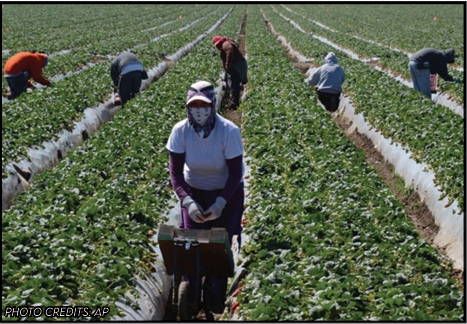
Farm groups across the U.S. are calling on the Trump administration to spare their workers from deportation, warning that sending them home could disrupt the country’s food supply. These workers, many of whom are undocumented, are a vital part of the farming industry, making up a significant portion of the agricultural workforce. If the government follows through with deportations, farm
groups say it could create a serious labor shortage and lead to higher food prices for consumers.
Agriculture has long relied on immigrant workers, especially those from Mexico, to help plant, harvest, and process crops. The National Farmers Union (NFU), which represents thousands of family farmers, has spoken out about the situation. Rob Larew, the president of NFU, says that these workers are crucial to keeping farms running, stating, “Our agricultural system depends on these workers. Without them, we’d see serious disruptions in food production and increased prices for consumers.”
The main concern is a possible end to the Temporary Protected Status (TPS), a program that lets workers from certain countries stay in the U.S. temporarily if their home countries are facing war or natural disasters. Many farm workers currently benefit from TPS, and if the program is discontinued, it could affect thousands of people working in agriculture. The Trump administration has
shown interest in ending TPS for several countries, and farm groups are worried about the consequences. Chuck Conner, president of the National Council of Farmer Cooperatives,
says losing these workers would be disastrous for the agriculture industry. “We risk losing our ability to feed America,” he said. “There’s simply no other group of workers who can replace them.” Farm groups are asking for a solution that would allow workers to stay, at least for the time being. They’re not
looking for permanent amnesty, but rather a temporary fix to prevent a mass exodus of workers that would hit the farming industry hard. Bob Stallman, a farmer and advocate for agriculture, points out that these workers have been trained and have built lives in the U.S. over the years. “It doesn’t make sense to remove them when we’re already struggling to find enough workers,” he says. There’s also concern about the broader economic effects. Some experts worry that losing a large portion
of the farm labor force would make fresh produce more expensive and
harder to find in stores. While the Trump administration has pushed for stricter immigration policies, many in agriculture are calling for more flexibility, especially when it comes to workers who are already part of the system. The debate over immigration and farm labor is likely to continue, as
the Trump administration weighs its options. On one side, some argue for stronger border security and stricter immigration laws. On the other, farm groups say that without the workers already in place, the country could face serious consequences, from labor shortages to rising food costs. The outcome of this issue could have a lasting impact on U.S. agriculture, and many are hoping that the administration will listen to the concerns of farmers before making any final decisions.

 The Hudsonian