
Adem Jones || Issue 12 || February 4, 2025
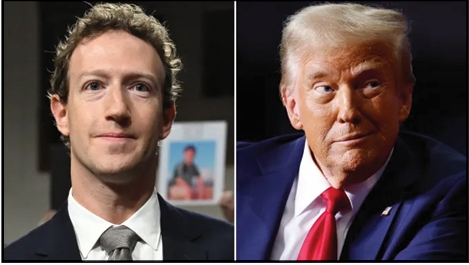
Meta Platforms has agreed to pay $25 million to settle a lawsuit filed by President Donald Trump in 2021, following the suspension of his Facebook and Instagram accounts after the January 6 Capitol events. The settlement allocates $22 million to a fund supporting the construction of President Trump’s presidential library, with the remaining $3 million covering legal fees and other plaintiffs involved in the case.
In the lawsuit, President Trump alleged that Meta’s actions violated his First Amendment rights, asserting that the company engaged in improper censorship by suspending his ac
counts. Meta assured that the suspensions
were due to policy violations related to inciting violence, not external pressures.
This settlement marks a significant development in the ongoing discussions about content moderation and free speech on social media platforms. It also reflects Meta CEO Mark Zuckerberg’s efforts to navigate the complex relationship between technology companies and political figures.
Meta had previously contributed $1 million to President Trump’s inaugural fund and recently ended its fact-checking program. Some see this move as a way for the platform to reposition itself to be in better standing under the Trump administration. Zuckerberg states that this shift embraces free speech in our shifting political and social landscape. Meta will use a ‘community notes’ style system, similar to the platform X, previously Twitter. Critics have expressed concern over the settlement, suggesting it sets a concerning tone. Senator Elizabeth Warren commented, “It looks like a bribe and a signal to every company that corruption is the name of the game.” She questioned what Zuckerberg might expect in return for this “investment.”
This is the second recent legal settlement involving President Trump and a major corporation. In December, ABC News agreed to pay $15 million to settle a defamation lawsuit related to coverage of allegations against President Trump. The Meta settlement brings to light the ongoing challenges and debates surrounding content moderation, free speech, and the influence of major technology companies in the political sphere.

 The Hudsonian