
Journalist Allegedly Abducted in Iraq as Officials Launch Ongoing Investigation

Jaydan Miles || Staff Writer || Issue 18

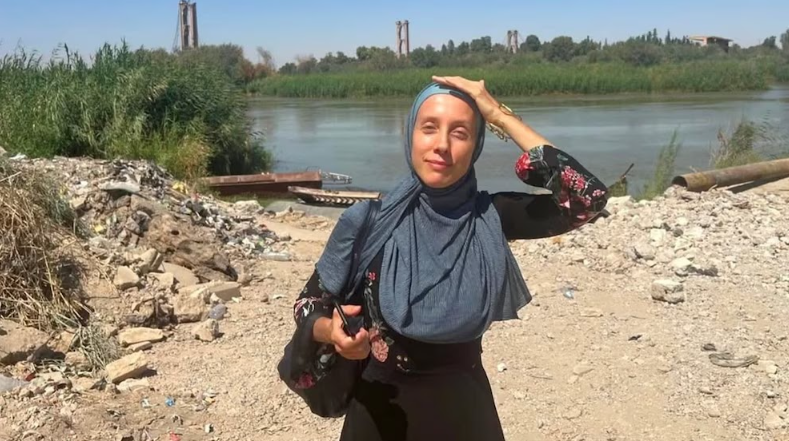
A report published on March 31 details a developing and serious situation involving the reported kidnapping of a journalist. According to the article, a female reporter, whose identity and professional background have not been publicly disclosed, was allegedly abducted Tuesday afternoon by individuals identified as members of the country’s Ministry of Interior. The circumstances surrounding the abduction remain unclear, including the exact location and whether the journalist was targeted specifically due to her work or presence in the area.

In response to the reports, an Iraqi government spokesperson stated that officials are “closely tracking these reports” but declined to provide further details, citing “privacy and other considerations.” The limited public response comes amid heightened tensions in the region, particularly involving the United States and Iran, raising concerns about the broader geopolitical implications of the incident. Observers note that incidents involving journalists in politically sensitive regions often draw international attention, especially when state-affiliated actors are allegedly involved.
ABC News

Authorities have confirmed that initial steps have been taken in the investigation. Security forces reportedly arrested one suspect and seized a vehicle believed to have been used in the abduction. In an official statement, the Ministry of Interior emphasized that efforts remain ongoing to locate and apprehend additional individuals involved, secure the journalist’s release, and pursue legal action against those responsible. Officials also indicated that intelligence units and specialized investigative teams have been deployed to assist in gathering information and coordinating search efforts.

While specific details remain limited, reports suggest that checkpoints and security measures in surrounding areas may have been increased as part of the response. Law enforcement agencies are said to be reviewing surveillance footage and conducting interviews with potential witnesses in an effort to reconstruct the timeline of events. Authorities have not disclosed whether any communication has been received from the individuals responsible or if ransom demands or political motivations are suspected.

The investigation remains active, with few confirmed details released to the public. Given the region’s complex political climate and history of conflict, the incident underscores ongoing concerns about press safety and regional stability. Journalists operating in conflict zones or politically volatile environments often face heightened risks, including threats, detention, and violence, which has been widely documented by international press freedom organizations. Officials have not indicated whether the case is linked to broader international tensions.

Efforts continue as authorities work toward resolving the situation and ensuring the safe return of the journalist. Government officials have stated that updates will be provided as more verified information becomes available, though they emphasize the importance of maintaining operational security during the investigation. The situation remains closely monitored both domestically and internationally as developments unfold.

Rising Tensions: The Escalating Conflict Between the U.S., Israel, and Iran

Isabelle Holt || Editor-in-Chief || Issue 17

The conflict involving the United States, Israel, and Iran has intensified sharply in early 2026, evolving from long standing geopolitical tensions into a direct and ongoing military confrontation. What began as a strategic rivalry over nuclear capabilities, regional influence, and security concerns has expanded into a broader crisis with regional and global implications. Decades of mistrust form the backdrop, with Iran’s nuclear program, its development of ballistic missiles, and its support for allied armed groups across the Middle East remaining central points of concern for both the United States and Israel. Diplomatic efforts to limit Iran’s nuclear ambitions persisted into early 2026 but ultimately failed to produce a durable agreement, contributing to the current escalation.

In the opening months of the year, the United States increased its military presence across the Middle East, citing rising instability and concerns about Iran’s weapons development. Soon after, coordinated strikes by U.S. and Israeli forces targeted Iranian military and strategic infrastructure, marking a turning point from indirect confrontation to direct conflict. Iran responded with missile and drone attacks aimed at Israeli cities, U.S. bases, and allied positions in the region, setting off a cycle of retaliation that has continued to intensify. Israeli forces have carried out additional strikes on sites linked to Iran’s military capabilities, including missile production facilities and infrastructure associated with the Islamic Revolutionary Guard Corps, while Iran has demonstrated its ability to sustain repeated waves of attacks.

The United States has taken on a complex role, supporting Israeli operations while also pursuing its own military and diplomatic objectives. This has included troop deployments, strategic deterrence measures, and at times calibrated pauses in strikes to allow space for negotiations. One of the most sensitive flashpoints has been the Strait of Hormuz, a narrow but vital waterway through which a large share of the world’s oil supply passes. Iran has used its geographic position to threaten or disrupt shipping in the area, raising fears of a wider economic and military crisis. In response, the United States has warned of potential action to ensure freedom of navigation, underscoring the global stakes of the conflict.

The humanitarian consequences have been significant, with airstrikes and missile attacks causing civilian casualties, displacement, and damage to infrastructure in multiple areas. The conflict has also drawn in regional actors, as groups aligned with Iran have launched attacks on Israel and contributed to a widening of instability across the Middle East. This expansion has increased concerns that the confrontation could evolve into a broader regional war involving multiple states and non-state actors.

Economic effects have been felt well beyond the immediate conflict zone. Oil prices have risen amid fears of supply disruptions, contributing to inflationary pressures and volatility in global markets. Trade routes and energy security have become central concerns for governments worldwide, highlighting how closely interconnected the conflict is with the global economy.

Despite the intensity of the fighting, diplomatic efforts have not ceased. The United States has put forward proposals aimed at de-escalation, including restrictions on Iran’s nuclear and missile programs, while Iran has signaled cautious openness to continued negotiations even as it rejects certain terms. Occasional pauses in military activity suggest that backchannel discussions remain active, though fragile and uncertain. The situation reflects a delicate balance between continued confrontation and attempts at negotiation, with neither path clearly prevailing.

As it stands, the trajectory of the conflict remains uncertain. All sides have demonstrated both capability and resolve, yet also appear aware of the risks associated with a prolonged and expanding war. The coming weeks and months will likely determine whether diplomatic efforts can gain traction or whether the cycle of escalation deepens further, drawing in additional actors and reshaping the geopolitical landscape in lasting ways.